Signs of Hidden Water Damage
Most water damage is discovered late because it never looked like water. Here are the stains, smells, sounds and small distortions that mean moisture is somewhere you cannot see, from San Antonio Water Damage Repair in San Antonio.
- 24/7 Emergency Response
- Upfront Quotes
- Drying & Repairs
By the San Antonio Water Damage Repair team · Updated September 2026
Stains That Change Shape
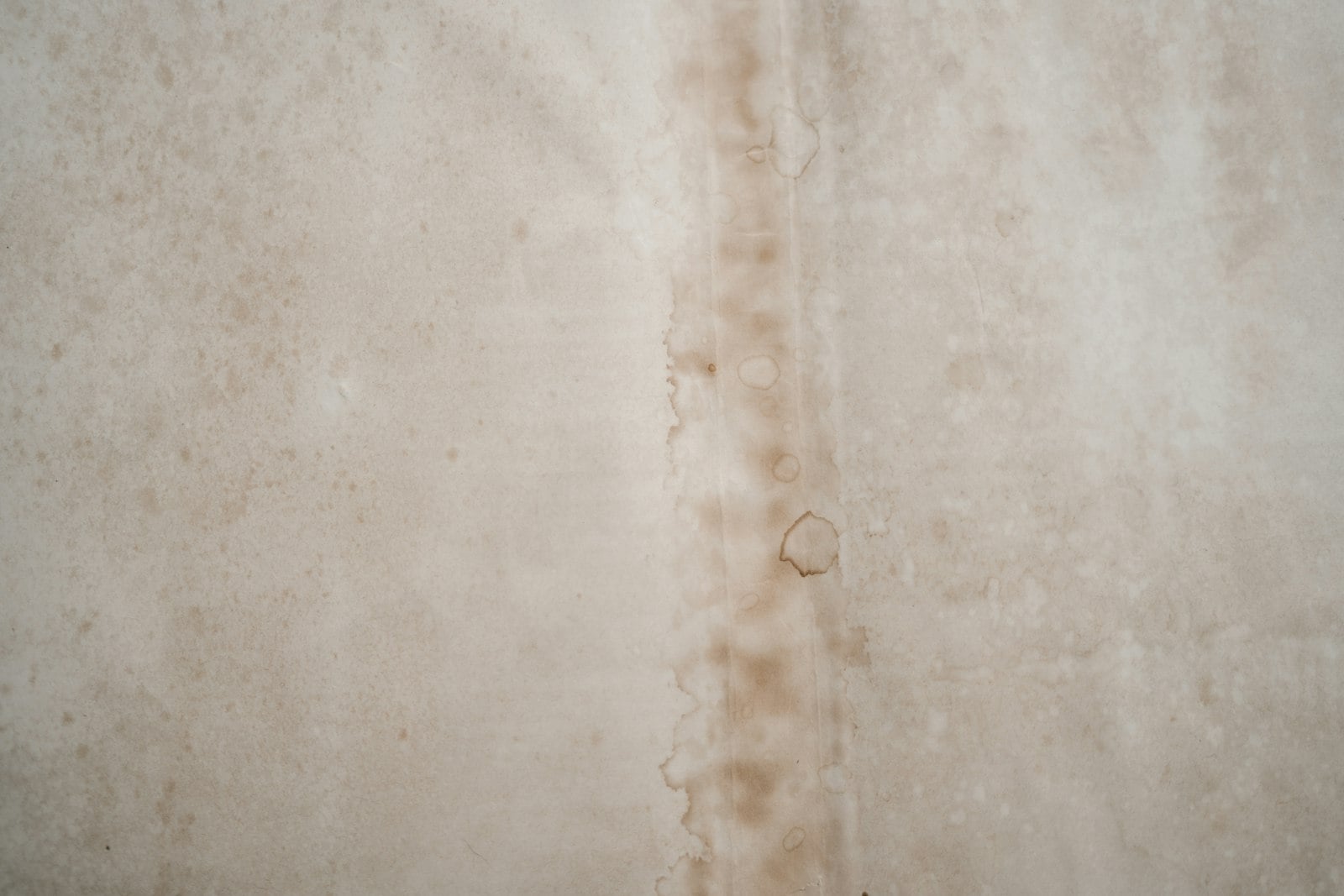
A brown or yellow ring on a ceiling or wall is the obvious one, but the detail that matters is whether it is growing. An old stain from a leak fixed years ago has a hard edge and stays the same size. An active one spreads, darkens after rain or after a shower is used upstairs, and often has a lighter halo around it. Photograph it with something for scale and check again in a couple of days.
Where the stain appears is rarely where the water entered. Water tracks along framing, ductwork and the top of a wall before it finds a way through the ceiling, so a mark in a hallway can come from a leak in a bathroom two rooms away. That is why chasing the stain with a paintbrush is a waste of time until someone has found the source.
Smells Before Sights
A musty smell that returns whenever a room has been shut up is one of the most reliable early signs, and it usually appears before anything is visible. Closets, the cabinet under a sink and the corner of a spare bedroom are the classic places. If the smell is stronger low down, or stronger when the air conditioning first kicks on, that points toward flooring, a wall base or the duct system.
An earthy or sour smell around a laundry area, dishwasher or refrigerator line is worth pulling the appliance out for. Supply lines to appliances are among the most common slow leaks in any house, and they drip into the floor behind a machine nobody moves.
Things That Have Moved
Materials distort when they absorb moisture, and those small changes are easy to dismiss one at a time. Baseboards pulling away from the wall, a door that has started sticking in its frame, nail heads showing through a ceiling, a patch of paint that has blistered or a strip of wallpaper lifting at a seam — each of those is a material that swelled. Flooring tells you too: tiles that have gone hollow-sounding or loose, laminate seams lifting at the edges, hardwood that has cupped so the boards are higher at the edges than in the middle.
Outside, look at where water goes when it rains. A downspout draining against the slab, a gutter with a plant growing in it, or mulch banked up above the weep holes in the brickwork will all put water into the wall. Those are cheap fixes that prevent expensive ones.
Numbers and Sounds
A water bill that jumps with no change in how you use water is the classic sign of a leak on the supply side. The check is simple: turn off every fixture and appliance that uses water, then look at the meter. If the low-flow indicator is still turning, water is going somewhere. On a slab house that can mean a line under the concrete, which also shows up as a warm patch of floor in one spot or the faint sound of running water when the house is quiet at night.
Do not ignore a toilet that occasionally refills on its own, either. It usually means a flapper, but it is also the kind of thing that masks a bigger leak in the same area.
Why This Hides So Well Here
San Antonio houses are built on slabs, so there is no crawl space or basement to walk through and spot a drip from underneath. Water that escapes has nowhere to fall to, so it spreads sideways through the floor assembly and up into the base of the walls, and the first evidence is often a smell rather than a puddle.
Two other local factors make slow leaks common. Very hard water from the Edwards Aquifer scales and corrodes older galvanized supply pipe, so houses inside Loop 410 and in older neighborhoods like Alamo Heights develop pinholes inside walls. And the February 2021 freeze left plenty of small splits that were patched quickly and hairline cracks that were never found at all. Add summer humidity, which keeps damp material from ever drying on its own, and a slow leak can run for months.
Arrange an Inspection
If two or three of these signs line up in the same part of the house, it is worth having someone put meters on it rather than guessing. A moisture survey is non-destructive and it either finds the problem or rules the area out, which is worth knowing either way. San Antonio Water Damage Repair can check the suspect area, trace where the water is coming from, and explain whether the answer is structural drying, leak cleanup or mold remediation. Read the dry and restore versus replace guide to see how those decisions get made, or arrange a visit.