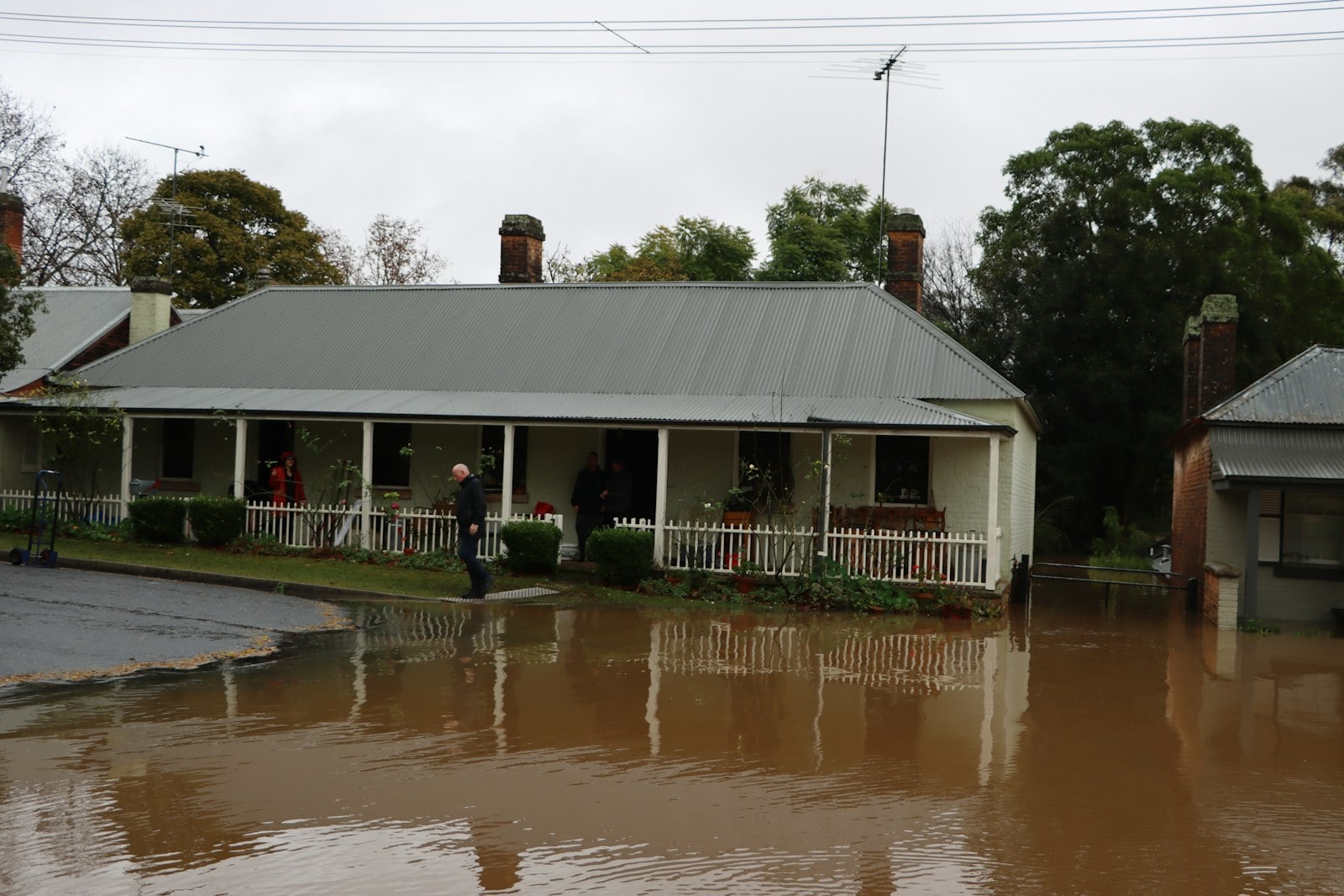
Storm and Flood Cleanup
Creek water and runoff bring mud and whatever the ground was carrying. Porous material generally comes out.
Storm and Flood CleanupCibolo Creek runs right through Boerne, and Hill Country ground sheds a storm into it fast. Add limestone buildings downtown, newer subdivisions spreading along the I-10 corridor and properties on wells and septic outside town, and no two water damage calls here look the same. San Antonio Water Damage Repair covers all of them.
Creek water and runoff bring mud and whatever the ground was carrying. Porous material generally comes out.
Storm and Flood Cleanup
Pumps and extraction units first, so the building stops absorbing water while everything else is decided.
Emergency Water Extraction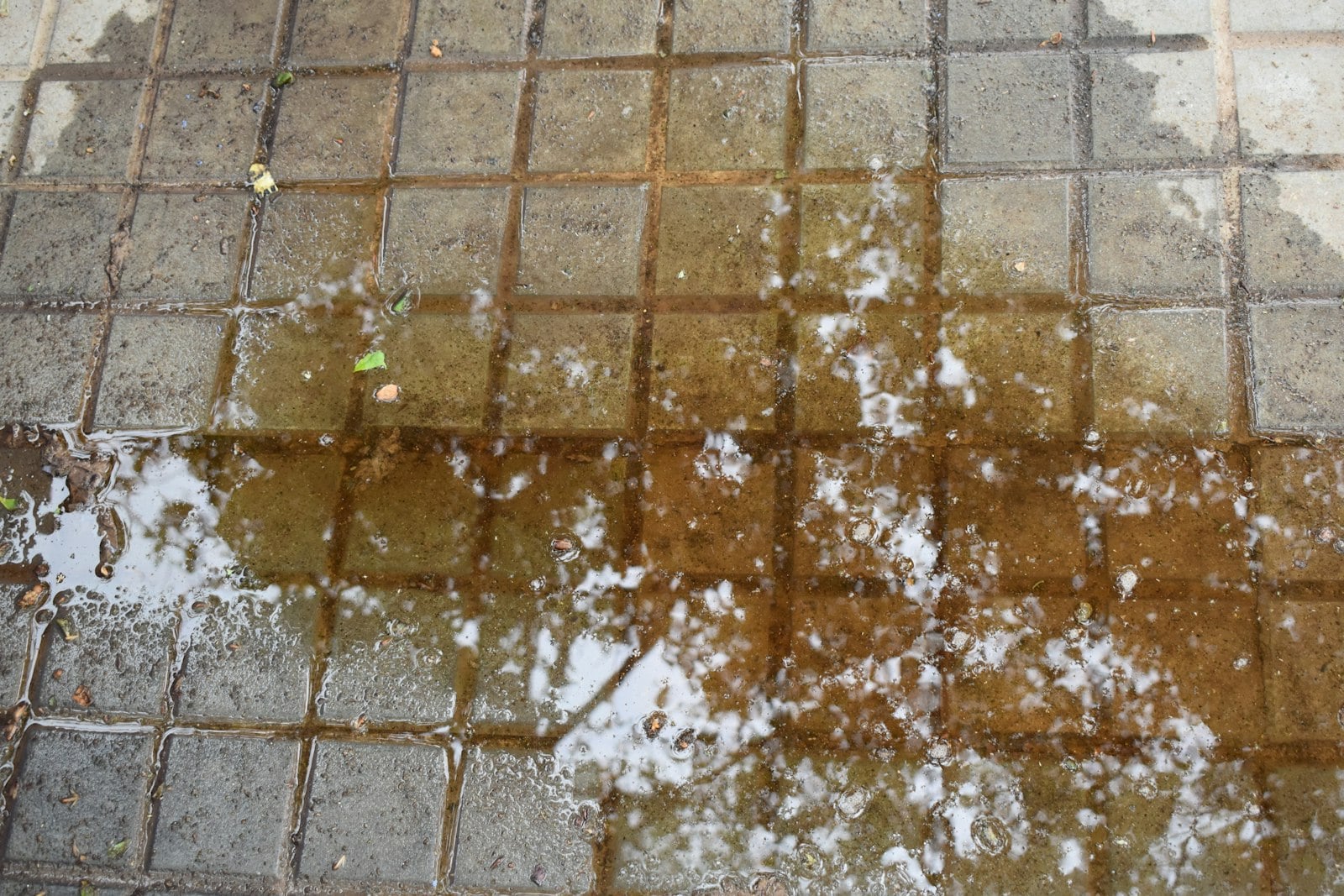
On a septic system a backup is handled as a biohazard, with the area contained before anything is touched.
Sewage Backup CleanupStart with where the property sits relative to Cibolo Creek and its drainages, and whether the water came in at ground level or from something inside the building. Storm water and a burst supply line lead to completely different scopes, and on a creek-adjacent property after a Hill Country storm it is usually the former.
Tell us about the building itself as well. Downtown Boerne has older limestone and masonry structures that hold moisture differently from a modern frame house and need longer, gentler drying. Outside town, larger lots often mean a well, a septic system, a long gravel drive and a gate — all things that affect how equipment gets to the building and how a backup is handled.
Cibolo Creek can rise sharply after rain upstream, even when it is not raining hard where you are. Ground-level entry is the common pattern.
Stone and masonry hold water and release it slowly. Drying is measured over more days rather than pushed with more equipment.
Outside the city limits, a backup and the electrical supply to a pump both need addressing before cleanup can start safely.
The rule is the same as anywhere but it bites harder here because so much of the flooding is outside water. Anything porous that soaked it up — carpet pad, fiberglass insulation, particle-board cabinet bases, the bottom of the drywall — is removed rather than dried, and the mud is physically shoveled out before cleaning begins. Stone, masonry, slab, framing, tile and solid wood are cleaned and dried and usually stay.
It is also worth knowing before you call your insurer that standard homeowner policies normally exclude rising water, and flood cover is a separate policy. That does not change what needs doing, but it changes who pays and how carefully you should document it.
Read water damage insurance claim basics, compare materials in our dry and restore versus replace guide, or see water damage restoration in Helotes and the rest of the service areas.
The scope decides it: how far the water came in, how much has to be removed and disposed of rather than dried, and how many days of equipment the building needs. Older masonry buildings often need more drying days; flood jobs need more removal. San Antonio Water Damage Repair prices each stage and you approve it before work starts. See how a job runs.
San Antonio Water Damage Repair responds in Boerne and the surrounding Kendall County area around the clock. Give the address, mention any gate or drive that affects access, and say whether the property is on a well and septic system. See how to request service.
Usually, subject to availability, with actively spreading water prioritized. The honest caveat is that after a storm that puts Cibolo Creek up, roads and crossings close and several properties need help at once, so timing can slip. San Antonio Water Damage Repair will tell you where you stand rather than guess.
Treat it as contaminated. Water off the ground carries whatever the storm moved with it, including runoff from roads and any septic systems it passed. Keep people and pets out, wear gloves and boots if you must go in, do not run the air conditioning, and wash thoroughly afterward. See storm and flood cleanup.
Usually yes, but slowly. Stone and masonry absorb a lot of water and give it back gradually, so drying is measured over more days rather than forced with more equipment. Pushing it risks damaging original plaster or finishes. What comes out is the modern porous material added inside — insulation, drywall, cabinetry — as set out in the dry and restore versus replace guide.
The catchment above Boerne is steep, shallow-soiled Hill Country limestone that sheds rain instead of absorbing it. A storm sitting over the higher ground can send a lot of water downstream quickly, and the creek can rise here while it is barely raining in town. That is also why crossings close before the weather looks bad. Never drive through one to check on a property.
Tell us where the water is and whether it is still coming in, and we will plan the call around it.