Water Damage Insurance Claim Basics
What to document, what "sudden and accidental" usually means in a policy, why flood cover is separate, and why cleanup should not wait for an adjuster. General guidance from San Antonio Water Damage Repair for San Antonio property owners.
- 24/7 Emergency Response
- Upfront Quotes
- Drying & Repairs
By the San Antonio Water Damage Repair team · Updated September 2026
Start With Documentation
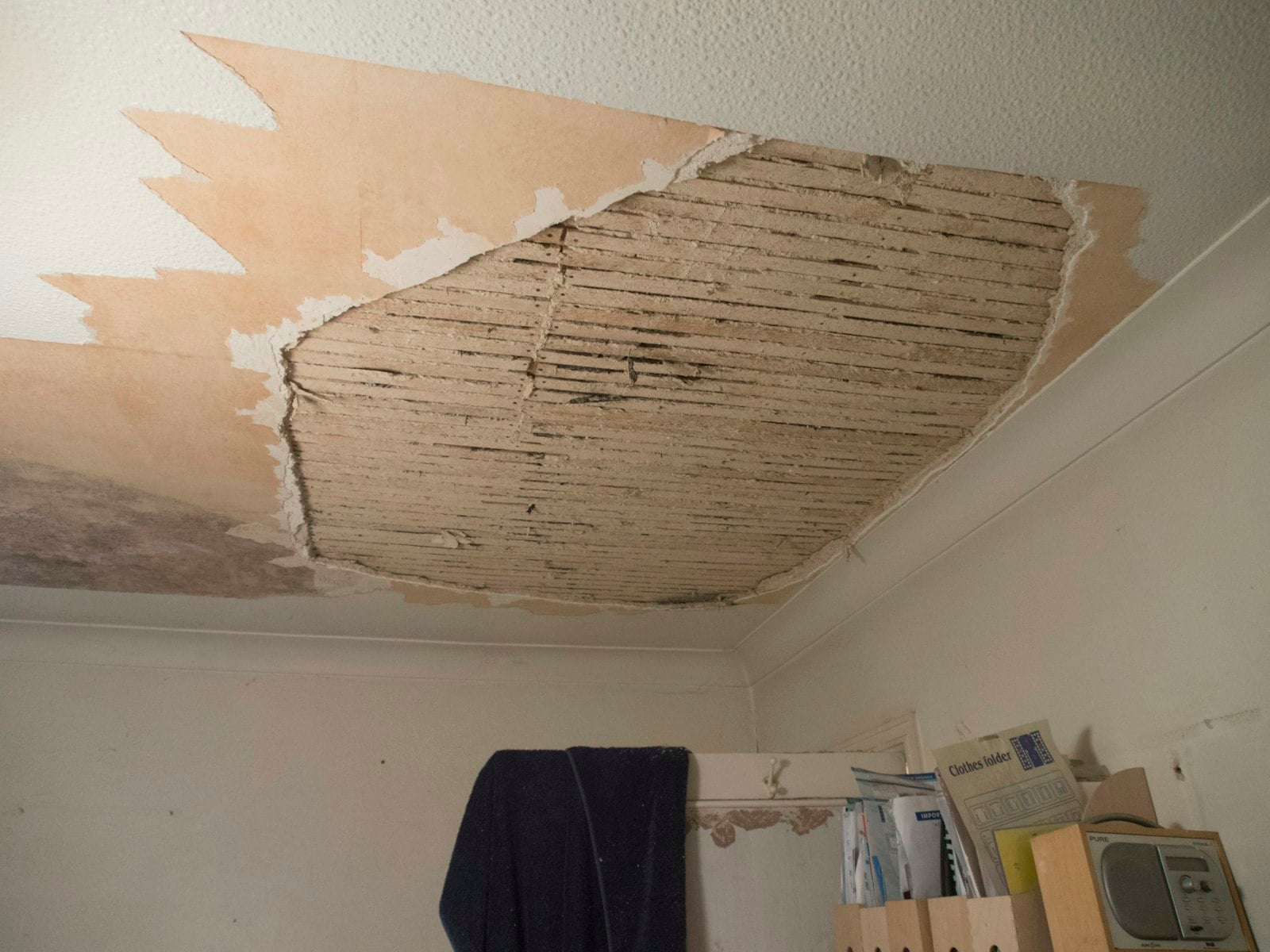
Whatever else happens with a claim, the record you make in the first hours carries it. Photograph and video every affected room before anything is moved: the water itself, the high-water line on the walls, wet flooring, stained ceilings, damaged contents and the source if it is visible and safe to approach. Note the date and time it was discovered and what you did about it.
Keep the damaged materials where practical, or at least photograph them before disposal. Save receipts for anything you buy in response — a wet vacuum, a meter key, temporary accommodation. And keep a short log of who you spoke to and when, because claims involve several people and memories get vague after a couple of weeks.
What Policies Usually Cover
This is general information rather than advice about your policy, and the only authority on your cover is the document itself. That said, the broad pattern in most homeowner policies is that sudden and accidental water damage from inside the building is covered, while gradual damage and rising water from outside are not.
A supply line that split and flooded a hallway overnight is the classic covered event. A pinhole that had been dripping inside a wall for eight months is usually treated as a maintenance problem, which is one practical reason to act on the early signs rather than watch them. Cover for the source of the problem is different again: a policy may pay to dry and rebuild the room while excluding the cost of the pipe repair itself.
Flood Is a Separate Policy
This is the part that surprises people most often, and it matters a great deal in this part of Texas. Water that rises from outside — a creek that came out of its banks, street water that came in under a door, a yard that filled and overflowed into the house — is normally excluded from a standard homeowner policy. Cover for that comes from separate flood insurance, and it typically has a waiting period before it takes effect, so it cannot be bought once the storm is forecast.
That distinction matters because of where we live. Bexar County and the surrounding Hill Country sit in what people call Flash Flood Alley, and the October 1998 and July 2002 floods are recent enough that plenty of local property has a high-water history. Being outside a mapped flood zone is not the same as being safe, and a lot of flooded properties are not in one.
Do Not Wait for the Adjuster to Start Drying
Policies generally expect you to take reasonable steps to prevent further damage, and letting a building sit wet for a week while you wait for someone to visit works against you rather than for you. It also costs you the building: in San Antonio's summer humidity, material that stays damp can begin growing mold within a day or two, turning a drying job into a removal job.
The way this is normally squared is documentation. Photograph everything thoroughly, then let the emergency work start — water extraction, removal of soaked porous material, drying equipment — while keeping a full record of moisture readings, photographs of what was removed and a written scope. That record is what the adjuster works from. Ask your restoration provider for it as a matter of course.
Questions Worth Asking Early
Ask your insurer what your deductible is and whether the likely scope exceeds it, because on a small contained leak it may not. Ask whether the policy covers the rebuild as well as the drying, whether contents are covered separately, and whether additional living expenses apply if the property is unlivable.
Ask your restoration provider whether they bill insurers directly or whether you pay and claim back, and get that clear before work starts rather than after. Be wary of anyone who guarantees your claim will be approved or asks you to sign over your claim rights without reading the paperwork carefully. Nobody can promise how an insurer will decide, and any provider who says otherwise is telling you something they cannot know.
Local Points to Keep in Mind
Two San Antonio patterns come up repeatedly. The February 2021 freeze produced a wave of burst-pipe claims across the region, and those are generally the sudden internal events that policies contemplate — but only where the damage was reported and dealt with promptly. Flash flooding is the other, and it lands on the flood-insurance side of the line rather than the homeowner side.
If you are in a river-adjacent part of the area such as New Braunfels, the flood distinction is worth understanding before you need it rather than during the week you are standing in a wet house.
Arrange an Inspection
San Antonio Water Damage Repair documents each job with photographs, moisture readings and a written scope per area, which is what an adjuster will want to see. Whether work can be billed to an insurer is something to confirm when the job is quoted. Start with emergency water extraction and structural drying, read the dry and restore versus replace guide so you can follow the scope, or arrange a visit.