Storm and Flood Cleanup
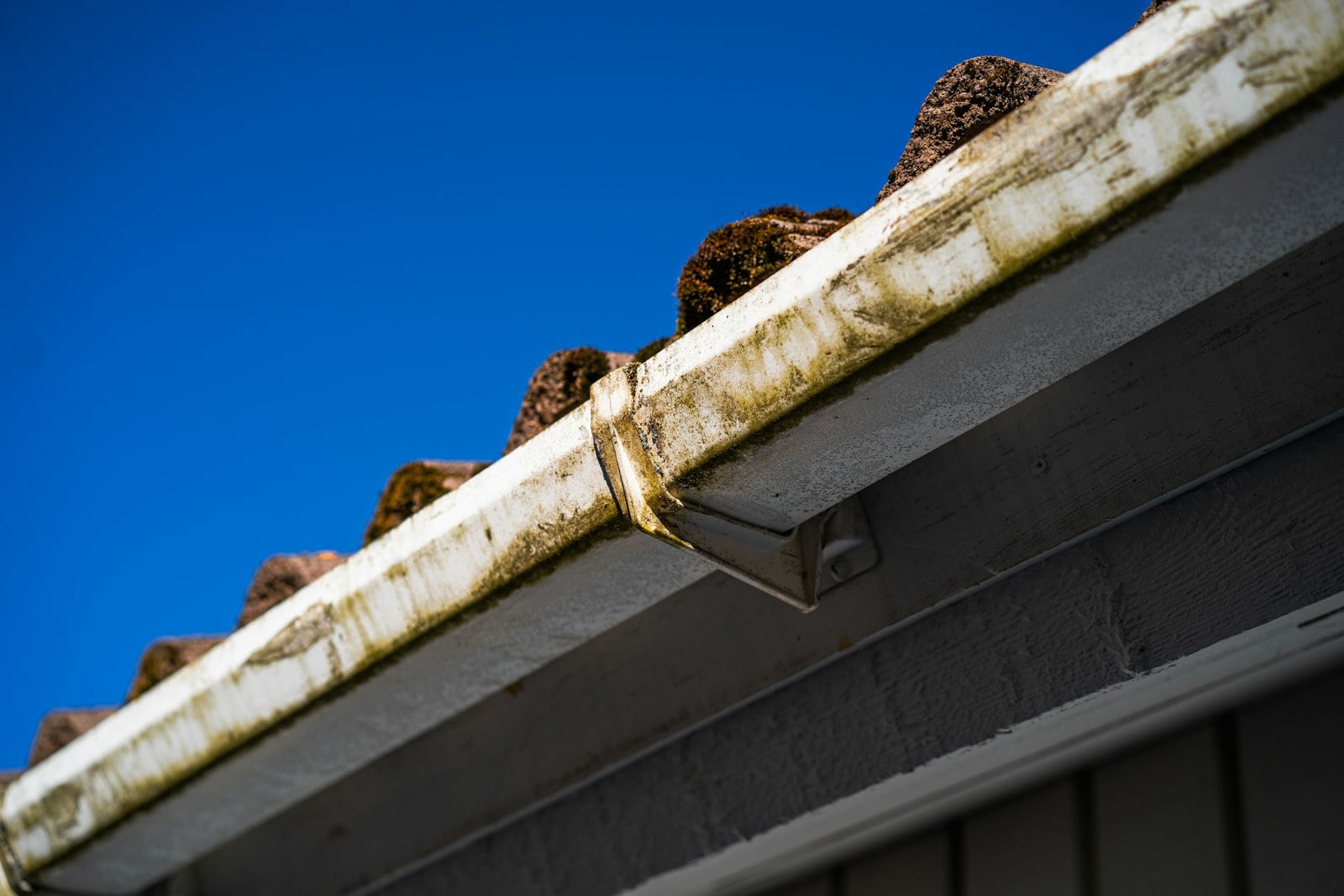
An overflowing gutter or a wind-damaged roof puts water into the wall rather than away from the house.
Storm and Flood CleanupConverse is mostly single-story slab houses in subdivisions built from the 1970s onward, out along FM 78 and the roads around Randolph. Roof and gutter water here often travels down inside an exterior wall and into the flooring before anyone sees a stain, and San Antonio Water Damage Repair gets called once it finally shows.
An overflowing gutter or a wind-damaged roof puts water into the wall rather than away from the house.
Storm and Flood Cleanup
Carpet and pad along an exterior wall hold a lot of water and hide it well. Getting it out comes first.
Emergency Water Extraction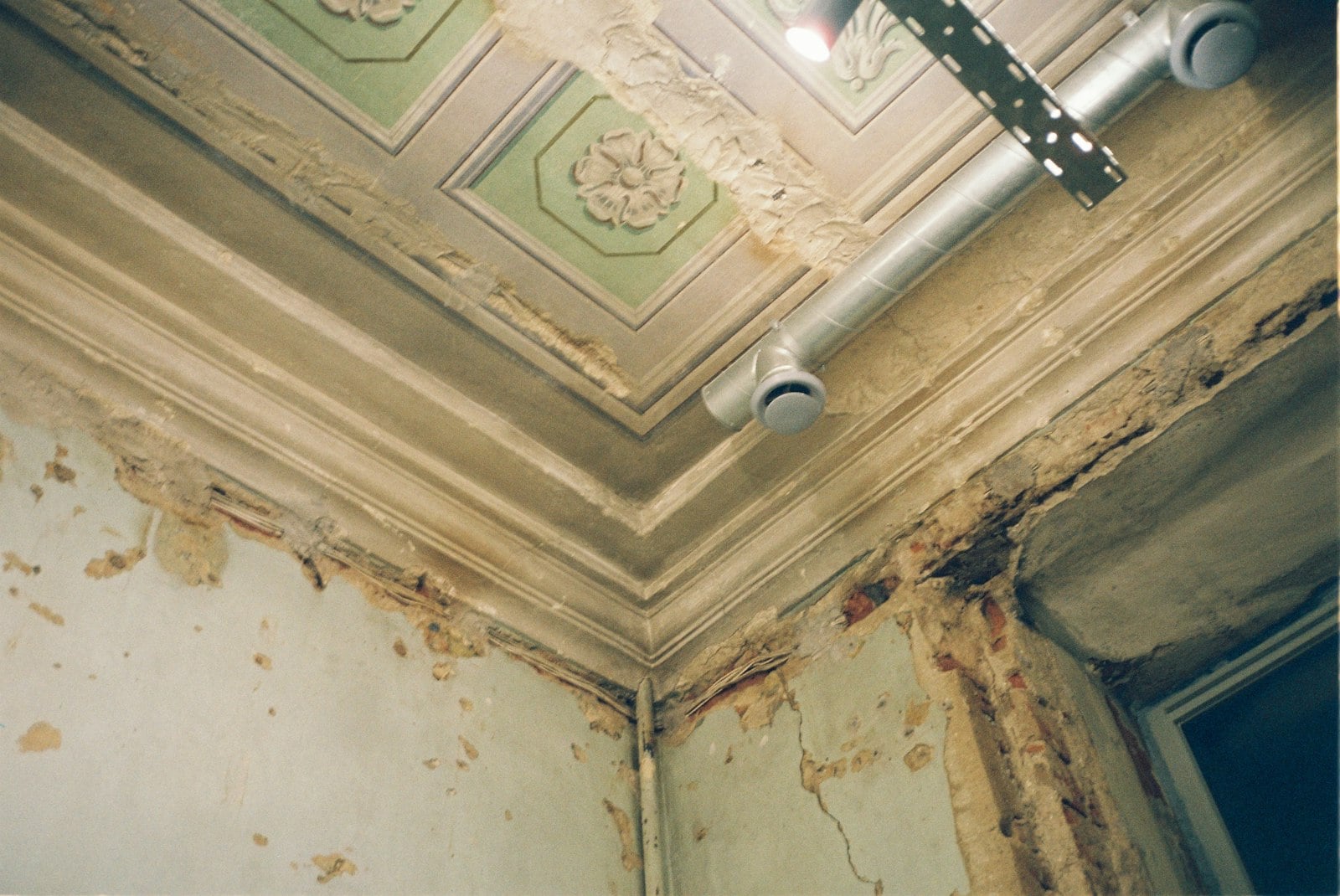
Slow roof leaks are usually found late, and by then the question has shifted from drying to removal.
Mold RemediationTell us how long you think it has been happening. That single answer changes the whole survey. Water that arrived last night is an extraction and drying job. A stain at the bottom of an exterior wall that has slowly grown over a rainy spring means material has been wet for weeks, and the survey has to look at the insulation and framing inside that cavity rather than just the visible surface.
Mention the roof and the gutters as well, because that is where a large share of Converse calls start. Blocked gutters, a damaged section of roof after a hail or wind storm, or a downspout that drains against the slab all send water somewhere it should not be. Restoration will not hold until the water stops arriving, so that fix is part of the plan.
Water spreads flat across the floor plan and wicks up into the base of the walls. The visible wet patch is rarely the whole of it.
Water entering high on a wall runs down inside the cavity. The first visible sign is often at floor level, a long way from the actual entry point.
Slow leaks in this climate usually mean the drying conversation has already turned into a removal and mold conversation.
With a slow leak the material almost always makes the decision for you. Drywall that has been damp for weeks is soft or crumbling at the base, insulation behind it has matted down, and the bottom plate and studs need exposing to dry and be checked. A low cut along the affected wall is the normal approach: it lets air into the cavity, gives access to inspect the framing, and is simple to repair afterward.
What does not work is closing it back up because the surface feels dry. In San Antonio humidity a cavity that stayed wet will keep the smell and the growth, and you end up doing the job twice. Ask to see the readings inside the wall, not just on the paint.
Compare the options in our dry and restore versus replace guide, read the signs of hidden water damage, or see water damage restoration in Schertz and the rest of the service areas.
It comes down to how much material has to be removed, how much drying is needed and what the rebuild involves afterward. A wall opened low along one room is a small scope; a leak that ran for months through several rooms is not. San Antonio Water Damage Repair gives you the price for each stage before that stage starts. See how a job runs.
San Antonio Water Damage Repair works across Converse, Universal City and the northeast side of the San Antonio area at any hour. Have the address ready and say whether the water arrived suddenly or has been building over time. See how to request a visit.
Water that is actively spreading is treated as an emergency and handled the same day in most cases, subject to availability. A long-standing stain is usually booked as a scheduled moisture survey instead, which is the right visit for that problem anyway. Tell San Antonio Water Damage Repair which situation you have.
Usually, but keep the room ventilated to the outside where you can, keep children and anyone with asthma or allergies out of it, and do not put a fan or an appliance near wet flooring with outlets nearby. If there is visible growth or a strong musty smell, close the room off and get it assessed rather than living alongside it. See mold remediation.
If the drywall is firm and only stained and the readings come down, drying and repainting is reasonable. If it is soft, crumbling or sitting against wet insulation, it comes out — nothing dries through wet insulation from the painted side. The dry and restore versus replace guide sets out the test for each material.
Because it runs down inside the cavity. Water getting in at a roof edge, a flashing or an overflowing gutter follows the sheathing and the studs down until something stops it, which is usually the bottom plate at floor level. That is why the stain appears by the baseboard and the actual entry point is several feet higher up, and why the roof gets inspected as part of the job.
Tell us where the water is and whether it is still coming in, and we will plan the call around it.