Emergency Water Extraction
Pumps and extraction units for standing water, before it soaks any further into the building.
Emergency Water ExtractionExtraction, drying and the repairs that follow, for water that came from a pipe, a roof, a storm or a drain. San Antonio Water Damage Repair works the same way on every job: stop the source, get the water out, measure what is wet, then put the building back.
Pumps and extraction units for standing water, before it soaks any further into the building.
Emergency Water Extraction
Air movers and dehumidifiers sized to the room, with readings taken until the structure is actually dry.
Structural Drying
Supply line failures, water heater leaks and slow leaks behind a wall that finally showed themselves.
Burst Pipe and Leak Cleanup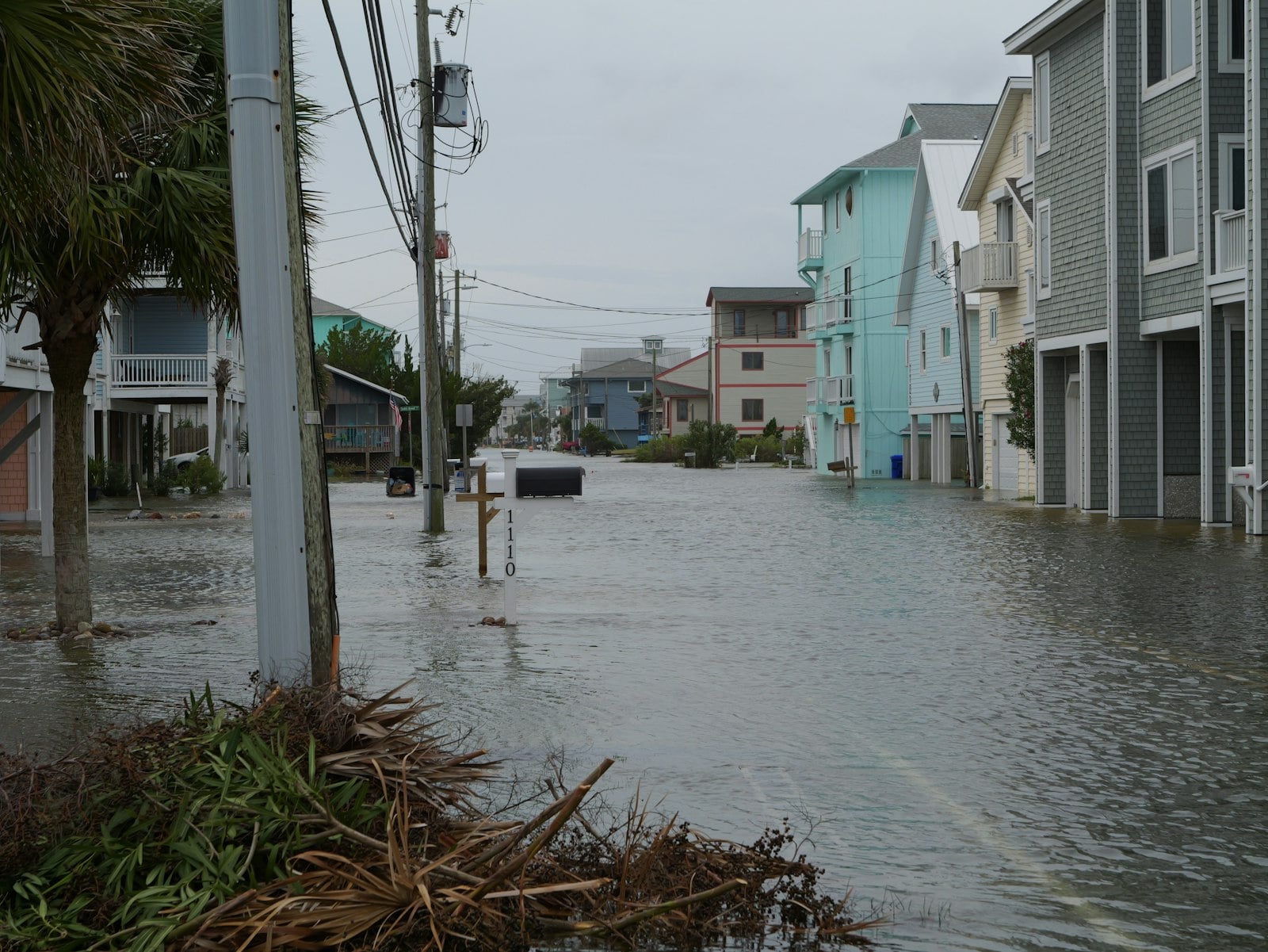
Roof leaks, wind-driven rain and water that came in at ground level, including the mud it carried.
Storm and Flood Cleanup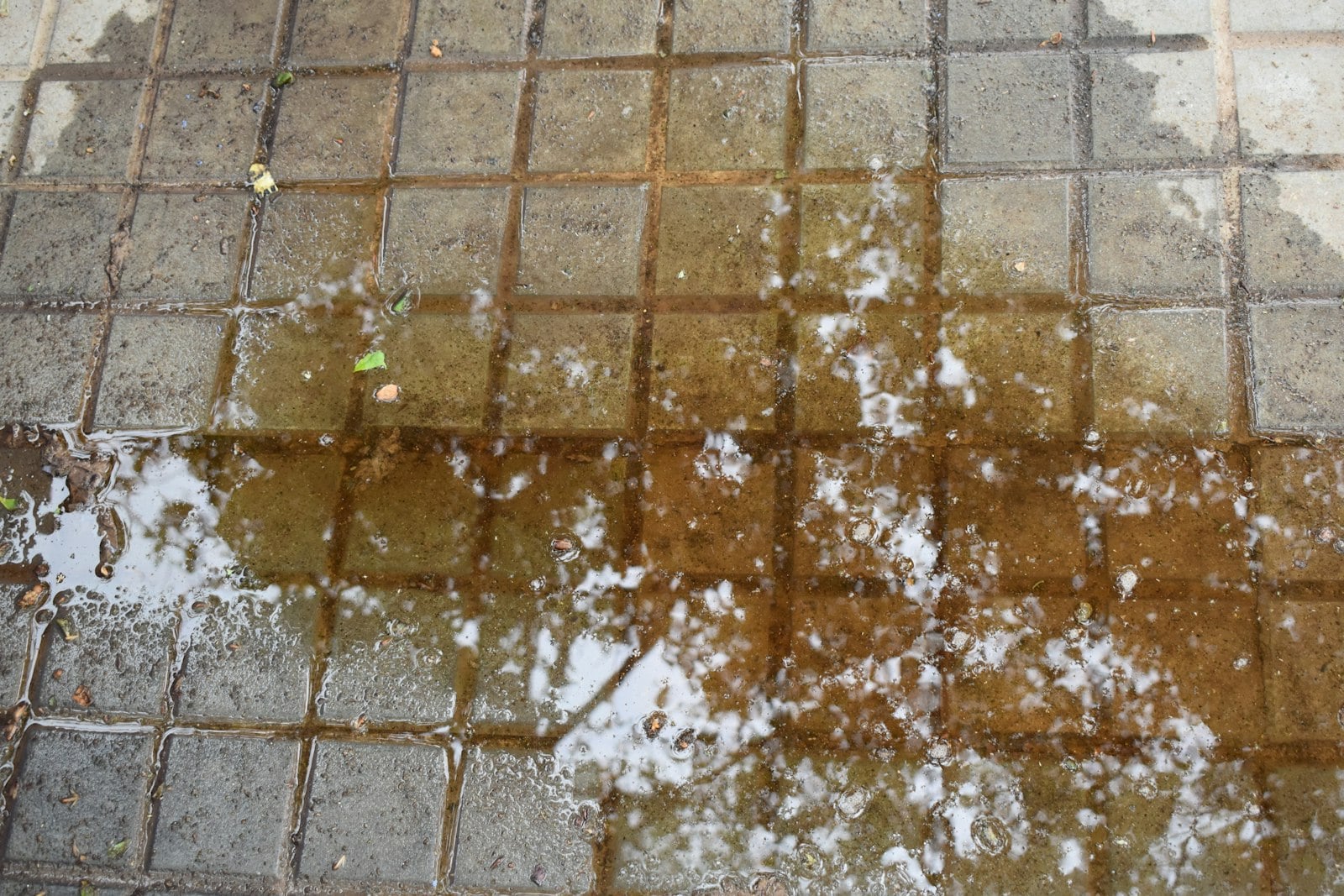
Removal, cleaning and disinfection after a backup, handled as the biohazard it is.
Sewage Backup Cleanup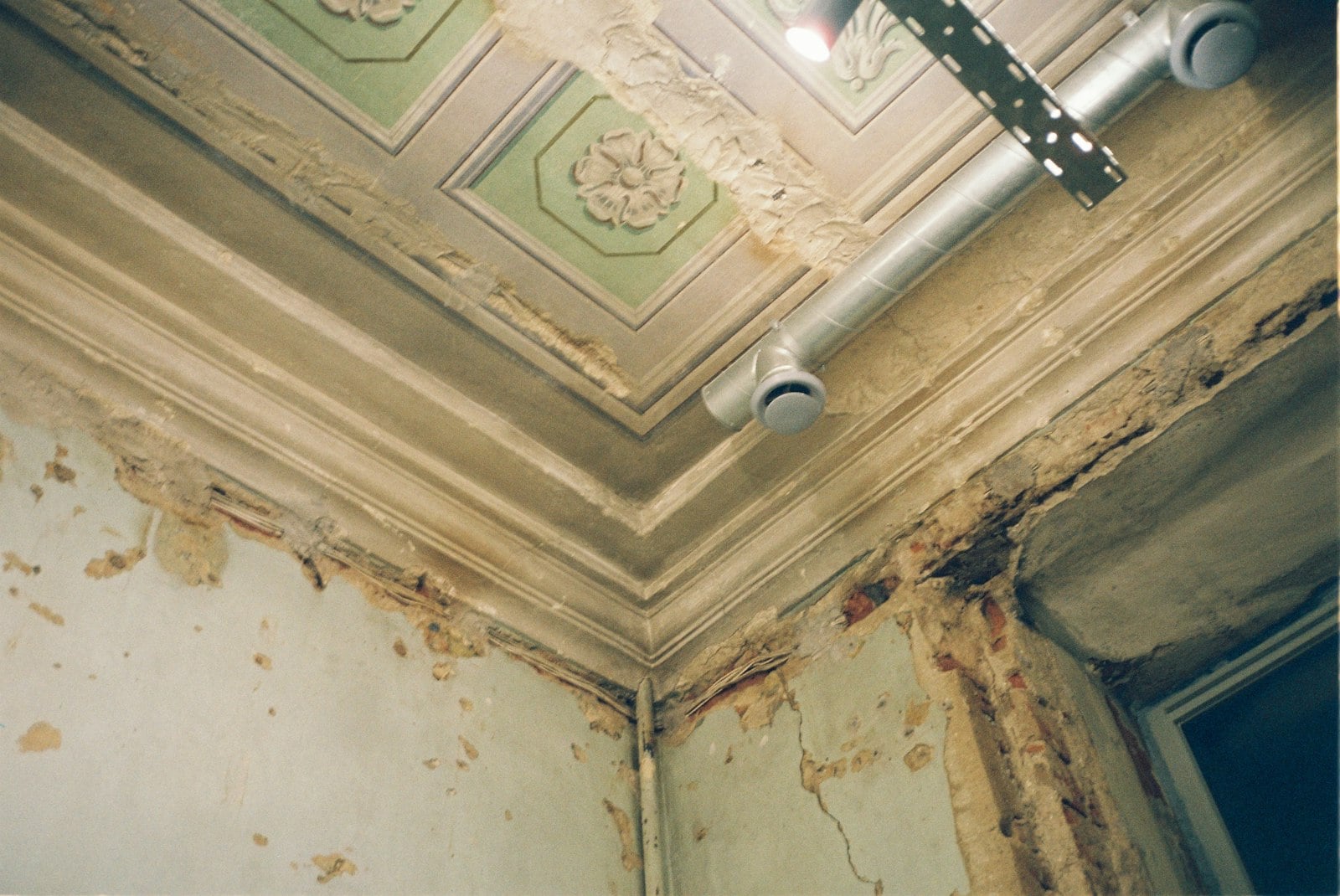
Containment, removal and drying where moisture sat long enough for mold to take hold.
Mold Remediation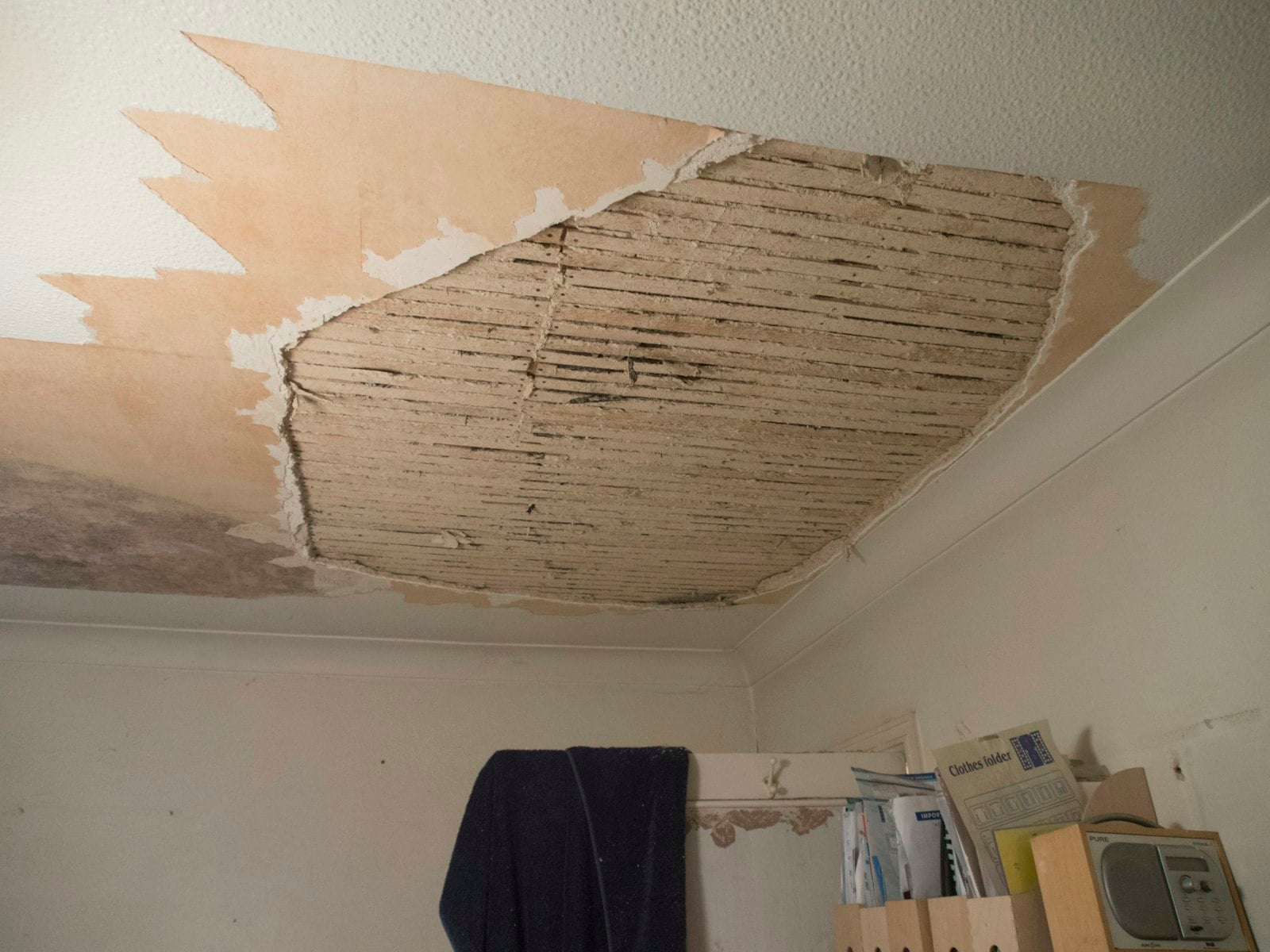
Shops, offices, clinics and restaurants, with drying staged so the business can keep operating where possible.
Commercial RestorationMost people call about the symptom rather than the service. That is fine — describe what you can see and the right response gets matched to it. Water still arriving is an extraction call. A room that was mopped up last week but smells wrong is a drying and moisture-mapping call. A ceiling stain that keeps growing is a roof or supply line problem that needs the source found before anyone talks about drywall.
The kind of water matters as much as the amount. A clean supply line that split under a sink is a different job from creek water that came through the back door, and both are different again from a sewage backup. That is what decides whether materials are dried and kept or removed and replaced.
If you are weighing what can be saved, read dry and restore versus tear out and replace, see how a restoration job runs, or find your community in our service areas.
Nearly every home here is built on a slab, so there is no basement for water to run into. It spreads out instead, under tile and laminate, into carpet pad and along the bottom of the walls, often reaching rooms nobody thought were affected. That is why the wet area on the floor is rarely the same shape as the wet area in the structure.
Summer humidity is the other local factor. Material that stays damp in a warm San Antonio house can start growing mold within a day or two, which is why the drying stage is not optional and why a fan pointed at a wet carpet is not drying. Read about structural drying or request a visit.
Tell us where the water is and whether it is still coming in, and we will plan the call around it.