Flash Flood Cleanup in San Antonio, TX
Flood cleanup in San Antonio, TX after a flash flood starts with safety, then photos, then getting water and wet materials out fast. Floodwater is dirty, so soaked drywall, insulation and carpet usually go. Drying should start right away to limit mold. Call to be connected with a local provider who can check your home.
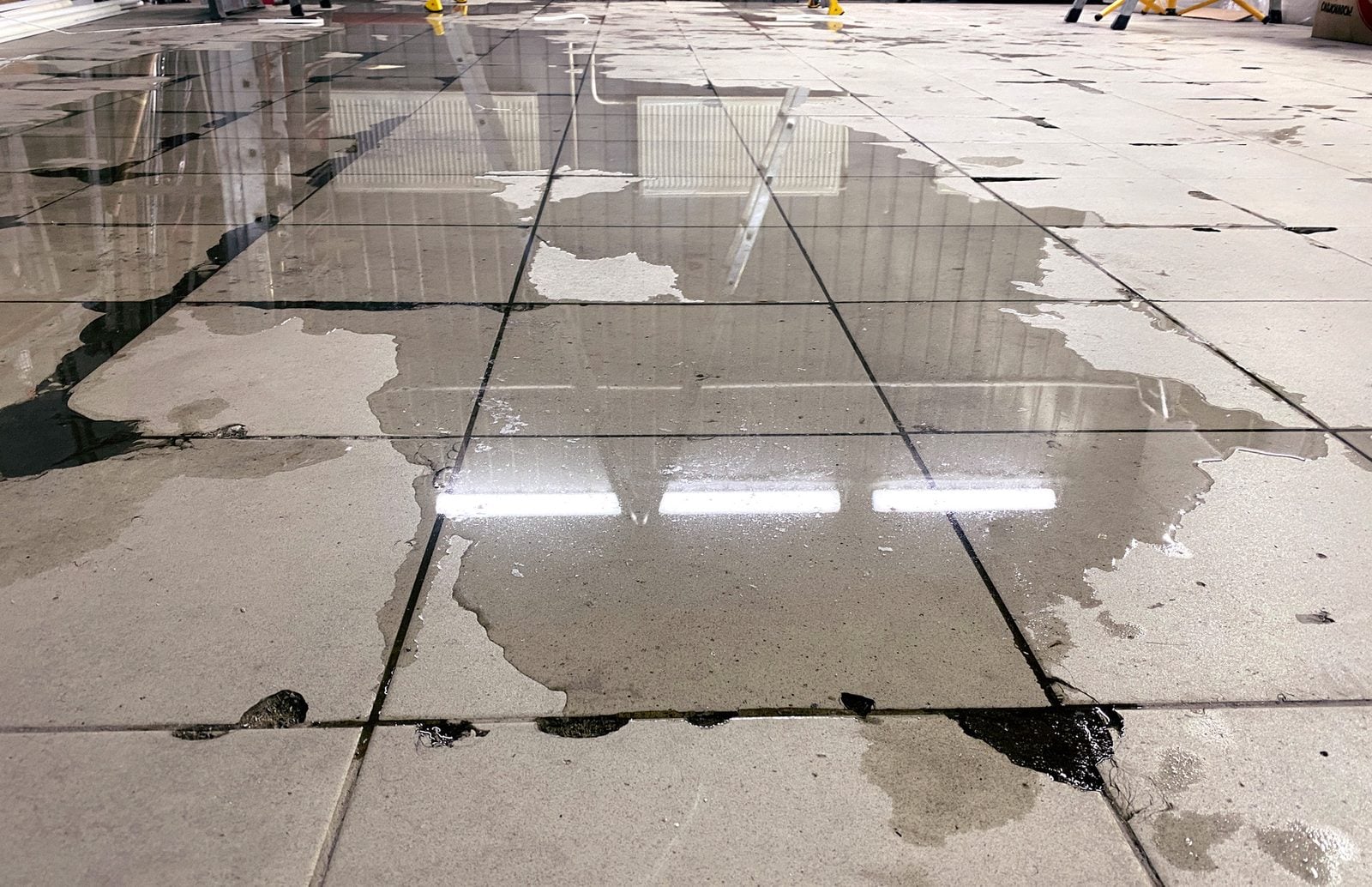
- Floodwater from outside is treated as contaminated, so porous items it soaks are usually removed, not dried.
- The Texas Department of Insurance says a standard homeowners policy won't pay for flooding; flood coverage is a separate policy.
- TDI warns that mold can start growing within a day after water gets in, so drying should begin quickly.
- The LCRA says the Texas Hill Country, known as Flash Flood Alley, has one of the greatest flash flood risks in the United States.
- Photograph and list every damaged item before anything is thrown out.
What to do first
- Do not walk or drive through moving floodwater, and wait until local officials say it is safe to return.
- If water reached outlets, cords or the electrical panel, stay out of the wet area and keep the power off until an electrician says it is safe.
- Stay out of rooms with sagging ceilings, bowed floors or a strong gas smell, and leave the house if you smell gas.
- Wear rubber boots and waterproof gloves, and keep children and pets away from the water.
- Take photos and video of every room, the waterline on the walls and damaged items before you move anything.
- Call to be connected with a local flood cleanup provider who can remove water and start drying.
What does flood cleanup in San Antonio, TX involve after a flash flood?
Flood cleanup in San Antonio, TX after a flash flood means pumping out standing water, removing mud and soaked materials, cleaning and disinfecting what stays, and drying the structure with fans and dehumidifiers. Because flash flood water comes from outside, it carries dirt, sewage and chemicals, so the work is more than just drying.
A flash flood is different from a slow leak. Water rises fast, often pushes mud and debris through doors and weep holes, and then drains away in hours. That can leave a home that looks almost dry on the surface while the bottom of the walls, the insulation and the flooring are still soaked. If water is still standing, emergency water extraction is the first step. For broader storm damage, such as roof leaks and wind-driven rain, see storm and flood damage cleanup.
Is flash flood water in my house dangerous to touch?
Yes, treat it as dirty. Floodwater that comes in from streets, yards and creeks is the most contaminated kind of water damage. It can carry sewage, bacteria, fuel, lawn chemicals and sharp debris, so avoid skin contact and keep children and pets away.
Restoration providers sort water damage into three plain-language groups:
- Clean water: from a broken supply line or overflowing sink.
- Gray water: from a washer, dishwasher or toilet without waste.
- Black water: sewage and outside floodwater.
Flash flood water falls in the last group. That is why cleanup crews wear protective gear and why many soaked items are removed instead of dried. If a drain or sewer line also backed up during the storm, read about sewage backup cleanup.
What can be saved and what has to go after floodwater gets inside?
Hard, non-porous items can usually be cleaned and saved, while soft, porous materials soaked by floodwater usually have to go.
Items that are often removed:
- Carpet and carpet pad
- Drywall and insulation below and just above the waterline
- Upholstered furniture and mattresses
- Food, cosmetics and medicine that touched the water
Items that can often be cleaned:
- Tile, sealed concrete and many hard floors
- Studs and framing, once wet drywall is cut away and they are dried
The page on dry and restore vs. tear out and replace explains how these choices are made.
Need help now? Call to be connected with a local provider in San Antonio who can check availability for your address.
How fast does a flooded San Antonio home need to dry?
As fast as possible. The Texas Department of Insurance warns that mold can start growing within a day after water gets in, so removing wet materials and starting drying in the first 24 to 48 hours matters a lot in San Antonio's warm, humid weather.
Drying a flooded home usually takes air movers, commercial dehumidifiers and moisture meters that show when walls and floors are truly dry. You can learn more on the structural drying and dehumidification page.
Does homeowners insurance pay for flood cleanup in Texas?
Usually not. The Texas Department of Insurance says a standard homeowners policy won't pay for flooding, and flood coverage requires a separate flood policy. Check your own policy and talk to your agent, since every policy is different.
A few points from TDI guidance that help set expectations:
- Many policies treat sudden damage from inside the home, like a burst pipe, differently from outside floodwater.
- TDI says mold from a flood is not covered under a standard policy.
- Most flood policies have a 30-day waiting period before coverage starts, so it is not something to buy as a storm approaches.
Whatever coverage you have, document everything. The guide to water damage insurance claim basics walks through the steps.
How should I document flood damage before cleanup starts?
Take photos and video of every room before anything is moved, including the waterline on walls, the outside of the house and damaged items. Then keep a written list of what was damaged and save samples of flooring or fabric if your insurer asks.
- Photograph the high-water mark on walls and furniture.
- Record serial numbers of damaged appliances and electronics.
- Keep receipts for anything you buy for cleanup or temporary repairs.
- Ask the provider for moisture readings and a written list of removed materials.
What happens during the visit?
When you call, you are connected with a local provider who comes out to look at the damage. They inspect the flooded areas, measure moisture in walls and floors, explain your options in plain words and give you a written quote before any work starts.
- Inspection: they check how high the water rose, where it went and whether it reached the wall cavities, subfloor or ductwork.
- Options explained: they tell you what can be cleaned and dried, what should be removed and why.
- Written quote: you get the scope in writing before work begins, so you can share it with your insurer if needed.
When is flood cleanup a job for a professional instead of DIY?
Small amounts of water on a hard floor may be something you can handle, but most flash flood damage needs a professional. If water soaked walls, carpet or insulation, covered a large area or sat for more than a day, the cleanup and drying are hard to do well without commercial equipment.
Call for help if:
- Water got into the wall cavities or under flooring.
- The home smells musty or you see spots of mold.
- Sewage or creek water came inside.
In Texas, larger mold jobs are regulated. The Texas Department of Licensing and Regulation licenses mold assessment and remediation businesses. If mold has already started, see mold remediation after water damage.
Why flash floods hit San Antonio homes so hard
The Lower Colorado River Authority says the Texas Hill Country is known as Flash Flood Alley because it has one of the greatest risks for flash floods in the United States, and San Antonio sits along that edge.
- The City of San Antonio's 2019 climate assessment says Bexar County has had 310 reported flood events since 1996.
- The National Weather Service reports that flooding on October 17-18, 1998 along the Guadalupe River and in the San Antonio and Austin areas killed 31 people.
- July 2002 was San Antonio's wettest July on record, with 16.92 inches at the airport, and Canyon Dam overtopped for the first time, prompting evacuations along the Guadalupe River.
Whether you live in Stone Oak, Helotes, Boerne, Leon Valley or New Braunfels, the steps are the same: stay safe, document, and start drying fast. See all service areas.
Related pages
Questions people ask
Who do I call for flood cleanup in San Antonio, TX after a flash flood?
Call the number on this page to be connected with a local flood cleanup provider in San Antonio. They can check availability for your address and explain the next step.
Is it safe to go back into my house after a flash flood?
Only after local officials say the area is safe and you know the power is off in wet areas. Watch for sagging ceilings, soft floors and gas smells, and leave if anything seems wrong.
Should I turn off the electricity after floodwater gets in?
Yes, if you can reach the main breaker without standing in water. If the panel or outlets are wet, stay away and have an electrician check the system before turning power back on.
Can I clean up flood water myself?
You can handle a small amount of water on a hard floor, but most flash flood damage needs professional equipment. Wet walls, carpet and insulation are hard to dry fully without it.
Why do they cut out drywall after a flood?
Drywall soaks up dirty water like a sponge and cannot be cleaned inside. Cutting it above the waterline lets the provider clean and dry the wall cavity and studs.
Can carpet be saved after a flash flood?
Usually not. Carpet and pad soaked by outside floodwater are normally removed because they hold contaminated water that cleaning cannot fully reach.
How long does it take to dry out a house after a flood?
It depends on how much water got in and what materials were soaked. A provider uses moisture meters to track progress and will tell you when readings show the structure is dry.
How soon can mold grow after a flood in Texas?
The Texas Department of Insurance warns mold can start growing within a day after water gets in. That is why fast water removal and drying matter so much.
Does homeowners insurance cover flash flood damage in Texas?
Usually not. TDI says standard homeowners policies won't pay for flooding, and flood coverage is a separate policy, so check your own policy and talk with your agent.
Is there a waiting period for flood insurance in Texas?
Most flood policies have a 30-day waiting period before coverage starts, according to TDI. Some exceptions exist, such as with a new home purchase.
What is the difference between flood damage and water damage for insurance?
Many policies treat sudden damage from inside the home, like a burst pipe, differently from outside water that floods in. Check your policy wording and document everything.
What should I photograph after my house floods?
Photograph every room, the waterline on the walls, the outside of the house and every damaged item before moving it. Record serial numbers and keep receipts for cleanup costs.
Should I throw away things that got wet in the flood?
Not before you photograph and list them. After that, porous items soaked by floodwater, along with food and medicine that touched it, are usually thrown out.
Do I need a licensed company if mold grows after a flood in Texas?
For larger mold jobs, yes. The Texas Department of Licensing and Regulation licenses mold assessment and remediation businesses, and you can look up a license on its website.
Can a flooded hardwood floor be saved?
Sometimes, if it is dried quickly and did not sit in dirty water for long. A provider will check moisture and cupping and explain whether drying or replacing makes more sense.
What happens when the flood cleanup provider comes to my house?
They inspect the damage, measure moisture, explain your options and give you a written quote before any work starts. You decide what happens next.
Talk to someone about your water damage problem
Call to be connected with a local provider who can check availability for your address and explain the next step.