Finding the moisture source
A leaking supply line, a roof, condensation on ductwork or an area that was never fully dried after a flood. Until that is fixed, nothing else holds.
Mold is a moisture problem before it is a mold problem. San Antonio Water Damage Repair finds and stops what is keeping the material wet in San Antonio buildings, contains the area, removes what has grown and dries the structure properly.
Mold needs moisture, and in a San Antonio summer it does not need long. Material that stays damp can start growing within a day or two, which is why a room that was flooded and dried in a hurry is the most common place we find it.
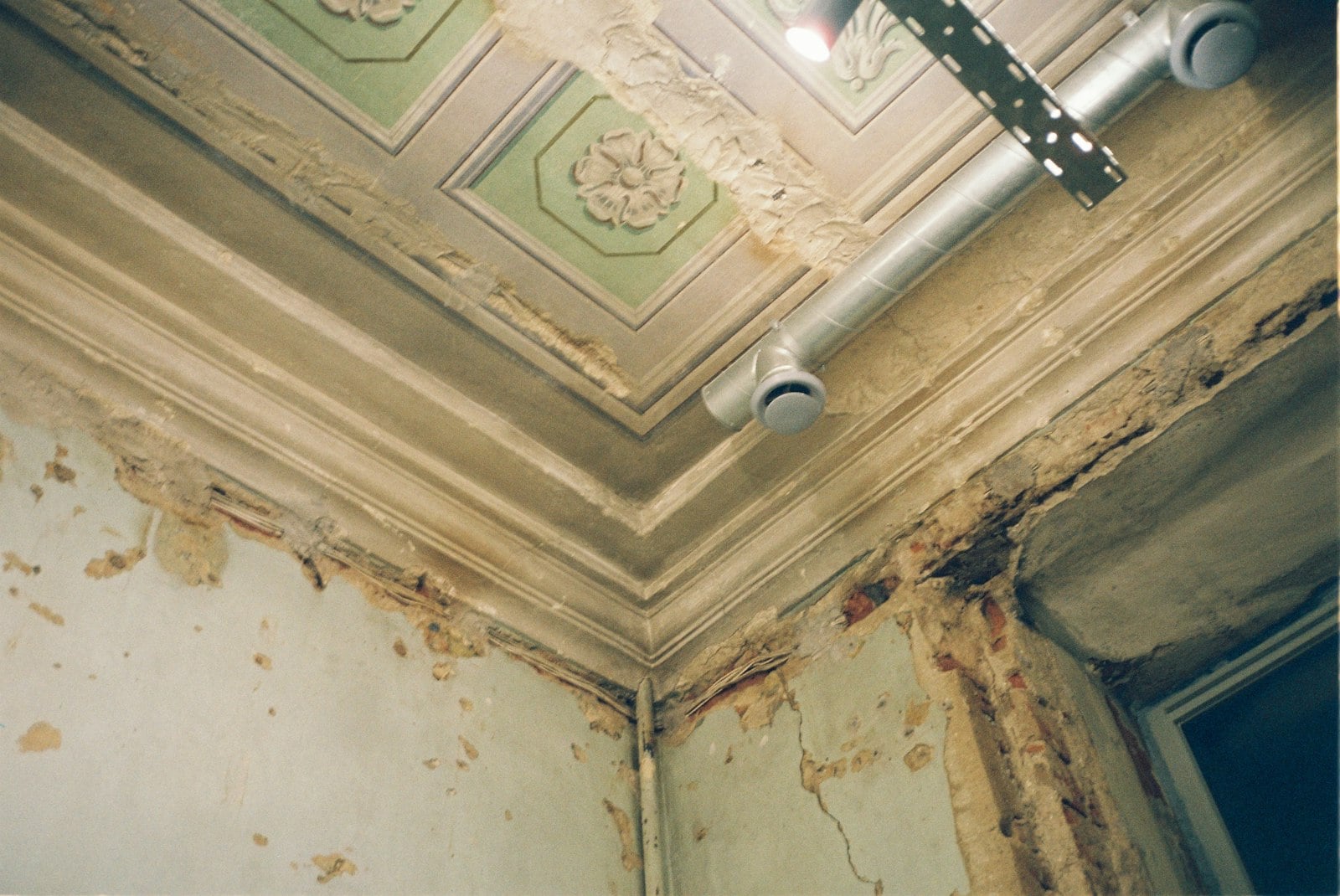
The order matters. Removing growth without fixing the moisture guarantees it comes back, so San Antonio Water Damage Repair starts with the source every time.
A leaking supply line, a roof, condensation on ductwork or an area that was never fully dried after a flood. Until that is fixed, nothing else holds.
The work area is sealed off and put under negative pressure with filtered air machines so spores disturbed during removal are not spread through the rest of the building.
Porous material with growth in it — drywall, insulation, carpet pad, particle board — is cut out and bagged. Solid surfaces underneath are cleaned rather than replaced.
The cavity is dried to a measured target before anything is closed up, then drywall, texture, paint and trim go back.
"Black mold" usually refers to Stachybotrys, a dark greenish-black mold that grows on constantly wet paper-faced drywall, ceiling tile and wood. Plenty of harmless molds are also dark, so color alone does not identify anything. Mold can irritate the eyes, nose, throat and skin, and people with asthma or allergies may react more strongly — but nobody on a restoration crew can diagnose a health problem, and you should raise any symptoms with a doctor.
Texas regulates mold assessment and remediation through state licensing, and above a certain scale the assessment and the remediation must be done by different licensed parties. Ask any provider for their license details before work begins. Testing is not always necessary: if you can see growth and know where the water came from, the money is usually better spent on removing it than on confirming it is there.
This work almost always follows water damage, so see structural drying and the dry and restore versus replace guide for what gets kept. If the moisture came from a leak, read burst pipe and leak cleanup, or request an inspection.
On a hard, non-porous surface like tile or glass, wiping it down can be reasonable for a very small spot. On drywall, wood or anything porous it is not, because the growth extends into the material and only the surface gets wiped. It also does nothing about the moisture that caused it, which is the actual problem. See structural drying.
How much material is affected, how hard it is to reach, the containment and filtration the job needs, and how much rebuilding follows. A bathroom wall is a small job; growth through a wall cavity across several rooms is not. San Antonio Water Damage Repair gives you the scope and price before any material is cut.
Often not. If you can see growth and you know where the water came from, testing mainly confirms what is already visible. Testing is more useful when there is a musty smell with no visible source, when a dispute needs documenting, or when Texas licensing rules require an independent assessment for the size of the job. Ask for that to be explained before you pay for it.
Keep the material dry. That means fixing the leak or moisture source for good, drying the structure to a measured target rather than until it feels dry, and controlling humidity indoors afterward. Bathroom and laundry ventilation matters in this climate. Read the signs of hidden water damage to catch the next one earlier.
Tell us where the water is and whether it is still coming in, and we will plan the call around it.