San Antonio Flood Damage Restoration Services: DIY or Pro?
Flood damage restoration services in San Antonio remove water, take out soaked materials, clean, dry and help rebuild after floodwater gets inside. A small, clean spill on a hard floor may be a DIY job, but outside floodwater, wet walls or a large area usually need a pro. Call to be connected with a local provider.
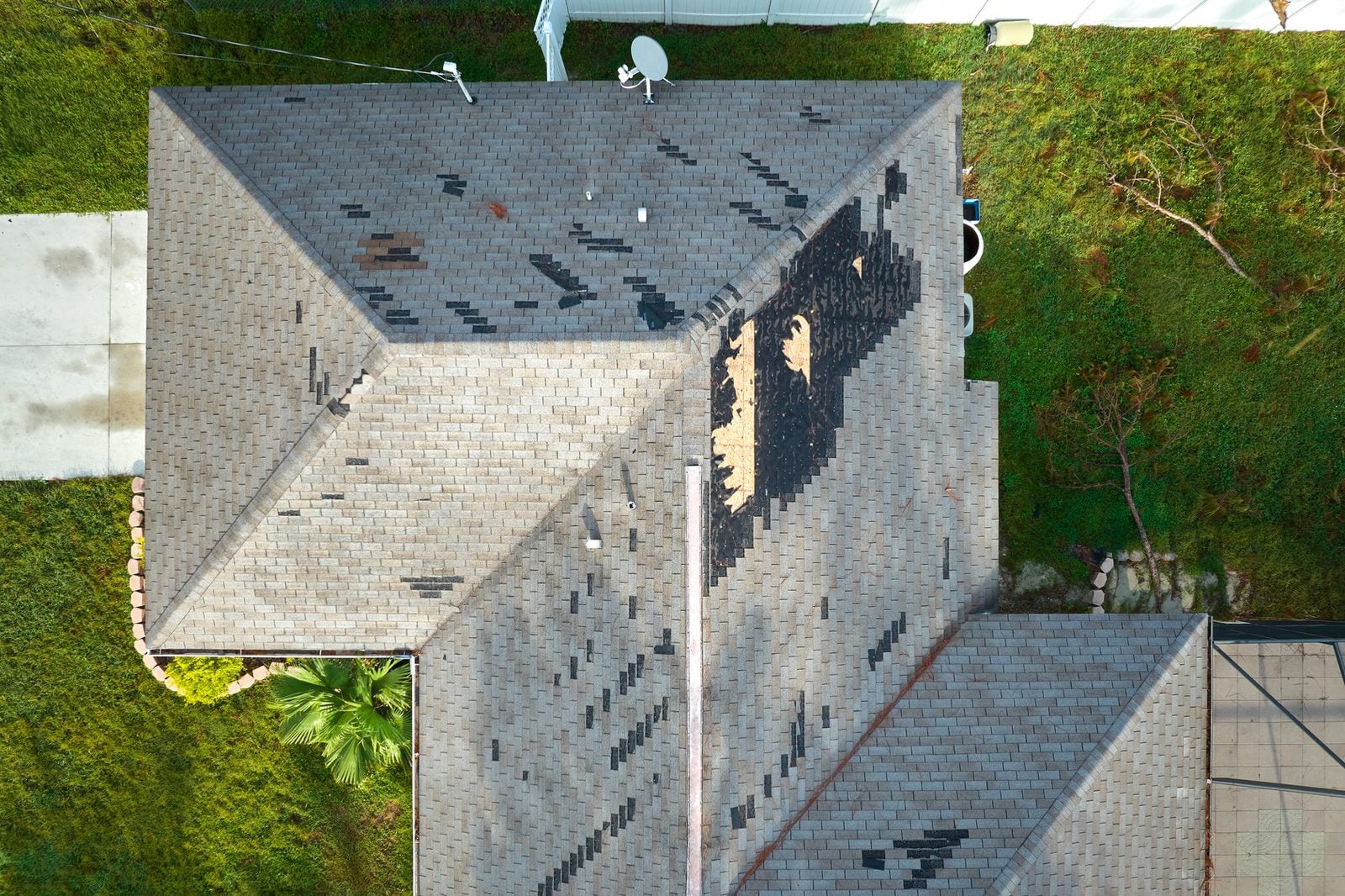
- Floodwater from outside is treated as contaminated, so soaked porous materials are usually removed, not just dried.
- The Texas Department of Insurance (TDI) says a standard homeowners policy won't pay for flooding; flood coverage is a separate policy.
- TDI warns that mold can start growing within a day after a leak, so the choice between DIY and a pro should be made quickly.
- In Texas, mold assessment and remediation businesses are licensed by the Texas Department of Licensing and Regulation (TDLR) unless an exemption applies.
- Photos and a written list of damaged items help with any claim, whichever route you choose.
What do flood damage restoration services in San Antonio include?
Flood damage restoration services in San Antonio usually cover four stages: removing standing water, taking out soaked materials, cleaning and disinfecting what stays, and drying the structure with commercial fans and dehumidifiers. Many providers also handle or coordinate the rebuild, such as new drywall, baseboards and flooring.
The first stage is often emergency water extraction with pumps and truck-mounted or portable vacuums. Next comes demolition of wet drywall, insulation and carpet pad that floodwater reached. After cleaning, the drying stage uses moisture meters to track walls, subfloors and framing until readings return to normal. You can read more about that stage on our structural drying page.
Can I handle flood damage myself, or do I need a professional?
You can often handle a small amount of clean water on tile or sealed concrete yourself. Once outside floodwater gets in, soaks drywall or carpet, or covers more than one room, a professional is usually the safer choice, because hidden moisture and contamination are hard to find without meters and commercial drying equipment.
DIY may be reasonable when:
- The water came from a clean source, like a supply line, and was caught right away.
- Only hard, non-porous surfaces got wet.
- You can dry the area fully and it does not smell musty a few days later.
A pro is the better fit when:
- Water came from a creek, street or yard, or from a sewer backup.
- Water wicked up into walls or got under flooring.
- The power was affected or the structure looks damaged.
- You need detailed moisture records for an insurance claim.
How is flood restoration different from regular water damage cleanup?
Flood restoration deals with dirty water from outside, while most regular water damage comes from clean sources inside the home. That difference changes what can be saved. Clean water damage can often be dried in place, but materials soaked by floodwater usually have to be cut out and thrown away.
Restoration providers sort water into three plain groups: clean water from supply lines, gray water from appliances like washers, and black water, which includes floodwater and sewage. Floodwater belongs in the last group because it can carry sewage, bacteria, fuel and lawn chemicals. If your damage came from a storm, our storm and flood cleanup page covers roof leaks and wind-driven rain too.
Need help now? Call to be connected with a local provider in San Antonio who can check availability for your address.
Should wet drywall, carpet and floors be dried or replaced after a flood?
After a flood, most porous materials that floodwater touched should be replaced, not dried. That usually includes the lower part of drywall, wall insulation, carpet and carpet pad. Hard materials like studs, concrete slabs and some tile can usually be cleaned, disinfected and dried in place.
A common approach is a "flood cut," where the bottom section of drywall is removed above the waterline so the wall cavity can dry and be cleaned. Hardwood and laminate are judged case by case, based on how long they were wet and whether they cupped or swelled. For more on how providers make this call, see dry and restore vs. replace.
How do I compare flood restoration providers in San Antonio?
Compare flood restoration providers in San Antonio by asking the same questions of each one: how they measure moisture, what they plan to remove and why, how they document the job, and whether the quote is in writing before work starts. Clear answers to those questions tell you more than any ad.
Questions worth asking:
- Will you take moisture readings and share them with me?
- Which materials do you plan to remove, and which can be dried?
- Will I get photos and drying logs for my insurance company?
- Do you handle the rebuild, or only the cleanup and drying?
- If mold is found, who will assess and remediate it?
For mold, you can check a Texas license with TDLR's online license search, and licensed individuals must carry a current TDLR license certificate.
How does flood insurance affect the restoration choice in Texas?
Insurance can shape the choice, but it should not delay drying. TDI says a standard homeowners policy won't pay for flooding, and flood coverage needs a separate policy. Many policies treat sudden damage differently from gradual leaks, so check your policy and document everything before materials are removed.
TDI also notes that most flood policies have a 30-day waiting period before coverage starts. If you file a claim, Texas law as summarized by TDI says an insurer must acknowledge it within 15 days. Keep receipts, photos and the provider's moisture records together. Our insurance claim basics guide walks through the paperwork.
What happens during the visit?
During the visit, the provider inspects the home, measures moisture, explains your options and gives a written quote before any work begins. Nothing should be torn out until you understand the plan and agree to it.
- Inspection: They walk every affected room, check walls and floors with moisture meters and look for signs of mold or structural damage.
- Options explained: They tell you what can be dried, what should be removed and why, and whether a DIY step is reasonable for any part of it.
- Written quote: You get the scope of work in writing before the job starts, so you can compare it or share it with your insurance company.
Timing depends on the provider and the damage, so ask about scheduling when you call.
What can I do while I wait for a flood restoration provider?
While you wait, focus on safety and records. Keep the power off in wet areas, wear rubber boots and gloves, and photograph every room, the waterline and damaged items before you move anything.
If it is safe, open windows when outdoor air is drier than indoor air, move valuables and documents to a dry room, and lift furniture off wet carpet. Do not use a household vacuum on floodwater, and do not throw out damaged items until they are photographed and listed.
Why San Antonio homes need a quick decision after a flood
The Lower Colorado River Authority says the Texas Hill Country is known as Flash Flood Alley because it has one of the greatest risks for flash floods in the United States, and the San Antonio area sits along that edge.
- The City of San Antonio's 2019 climate assessment says Bexar County has had 310 reported flood events since 1996.
- July 2002 was San Antonio's wettest July on record, with 16.92 inches at San Antonio International Airport.
- The National Weather Service reports that floods in September 1921 brought 18 inches of rain in 24 hours to northern Bexar County.
Heavy rain can come fast, so knowing ahead of time whether you will call a pro saves hours when it counts. The same steps apply whether you live in Alamo Heights, Converse, Universal City or Schertz. See all service areas.
Related pages
Questions people ask
Who do I call for flood damage restoration services in San Antonio?
Call the number on this page to be connected with a local flood damage restoration provider in San Antonio. They can check availability for your address and explain the next step.
Is it worth hiring a professional for flood damage or can I save money doing it myself?
For anything beyond a small, clean spill, a professional in San Antonio is usually worth it. Floodwater is contaminated, and missed moisture inside walls can lead to mold and bigger repairs later.
What is the difference between flood cleanup and flood restoration?
Cleanup removes water, mud and debris, while restoration also dries the structure and puts the home back together. Many San Antonio providers handle both, but ask each one what their quote covers.
How do I know if water is still trapped inside my walls after a flood?
The surest way is a moisture meter reading. Signs like swollen baseboards, peeling paint, a musty smell or soft drywall also point to trapped water.
Can I use fans and a shop vac to dry my house after a flood?
Fans and a shop vac help with small areas, but they rarely dry wall cavities and subfloors fully. Commercial dehumidifiers and air movers, plus moisture checks, are usually needed after floodwater.
What is a flood cut and why would a restoration company do one?
A flood cut is removing the bottom section of drywall above the waterline. It lets the wall cavity dry and be cleaned, and it removes drywall that contaminated water soaked.
Can flooded carpet pad be dried and reused?
Usually no. Carpet pad soaks up floodwater like a sponge and is hard to clean, so it is normally thrown out and replaced.
Do I have to be home while flood restoration work is being done?
You usually need to be there for the first inspection and to approve the written quote. After that, many homeowners arrange access with the provider, so ask what works for your situation.
What questions should I ask a flood restoration company before hiring them?
Ask how they measure moisture, what they plan to remove, whether they provide photos and drying logs, and whether the quote is in writing before work starts. Also ask who handles mold if it is found.
How do I check if a mold company is licensed in Texas?
Use the Texas Department of Licensing and Regulation's online license search. TDLR licenses mold assessment and remediation businesses, and licensed individuals must carry a current license certificate.
Does flood insurance pay for restoration work in Texas?
It depends on your policy. TDI says flood coverage is a separate policy from homeowners insurance, so read your flood policy and document all damage before work begins.
How long does an insurance company have to respond to my water damage claim in Texas?
Under Texas law as summarized by TDI, an insurer must acknowledge a claim within 15 days. It must then accept or deny it within 15 business days of getting all the information it needs.
Will mold from a flood be covered by my homeowners policy?
Often not. TDI says mold from a flood is not covered, and most home policies don't include mold cleanup and testing, so check your own policy.
Should I get more than one quote for flood damage restoration?
Yes, if the damage is not getting worse while you wait. Comparing written quotes in San Antonio helps you see differences in scope, such as what each provider plans to remove or dry.
Can a garage or slab floor be saved after a flood in San Antonio?
Usually yes. Concrete slabs can be cleaned, disinfected and dried in place, though anything porous sitting on them, like carpet or boxes, may need to go.
Is it safe to stay in my home during flood drying?
Often it is, if the power is safe, the structure is sound and no sewage is present. Drying equipment is loud and warm, so ask the provider whether staying makes sense for your home.
What should I throw away and what should I keep after floodwater gets in?
Throw away food, cosmetics and soft items that floodwater touched once they are photographed and listed. Hard items like metal, glass and solid furniture can often be cleaned and kept.
Talk to someone about your water damage problem
Call to be connected with a local provider who can check availability for your address and explain the next step.