Emergency Water Damage Restoration Near Me in San Antonio
Emergency water damage restoration near me in San Antonio means a local provider who can stop the spread, pull out water and dry your home before mold and rot set in. In winter, most calls start with a frozen pipe, a water heater or an attic line. Shut off the water, then call to be connected.
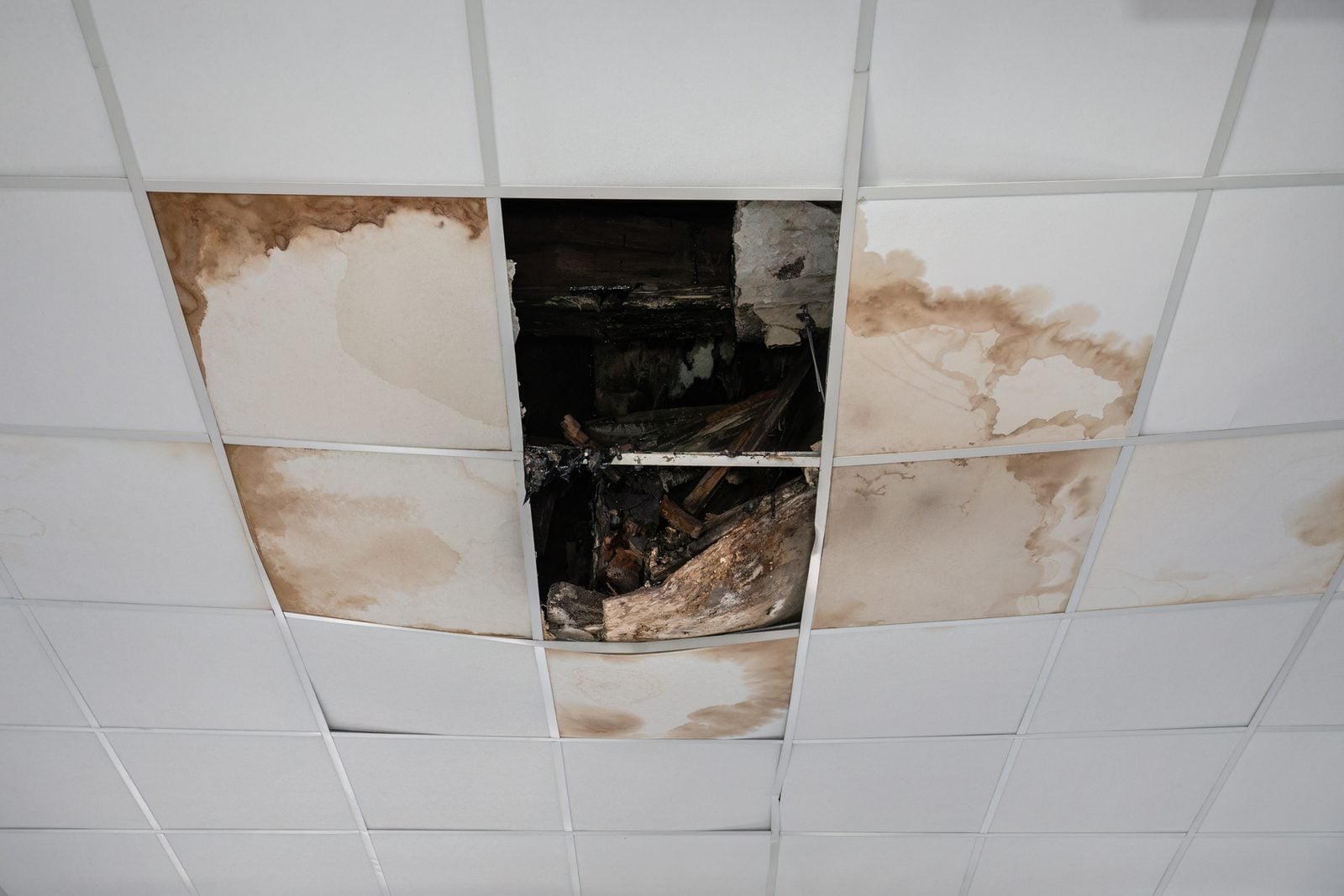
- NWS normals show San Antonio averages 14 days a year with lows at or below 32°F, so freeze damage is a real winter risk here.
- During the February 2021 storm, San Antonio International Airport stayed below freezing for 4 days 12 hours, and burst water pipes were among the impacts.
- The Texas Department of Insurance (TDI) says to turn off the water at the shutoff valve if pipes freeze.
- TDI warns that mold can start growing within a day after a leak, so drying should start quickly.
- Many policies treat sudden damage differently from gradual leaks; check your policy and document everything.
What to do first
- Turn off the water at the main shutoff valve, usually near the street or where the line enters the house.
- If water is near outlets, cords or the electrical panel, stay out of that area and keep the power off until it is safe.
- Stay out of rooms where the ceiling is sagging or bulging with water.
- Take photos and video of every wet room, the source of the leak and damaged items before you move anything.
- Move rugs, electronics, papers and small furniture to a dry room if you can do it safely.
- Call to be connected with a local emergency water damage restoration provider.
Who do I call for emergency water damage restoration near me in San Antonio?
For emergency water damage restoration near you in San Antonio, call the number on this page and you will be connected with a local restoration provider. Before you call, shut off the water so the damage stops growing. The provider can then explain the next steps for your address.
A restoration provider is different from a plumber. A plumber fixes the pipe or the water heater. A restoration provider deals with the water that already escaped: extracting it, removing soaked materials, and drying walls, floors and framing. In many winter emergencies you need both, and it often makes sense to call them at the same time. Our emergency water extraction page explains the first stage of the work.
Why do water damage emergencies happen in San Antonio in winter?
Winter water damage in San Antonio usually comes from freezing nights, heating equipment working harder, and houses that are closed up for the season. San Antonio does not freeze often, so many homes have pipes in attics, exterior walls and garages that were never built for long cold spells.
Common winter sources include:
- Frozen and burst pipes in attics, crawl spaces, exterior walls and outdoor hose bibs.
- Water heaters that leak or fail during heavy holiday use.
- Furnace and heat pump lines that clog or overflow in the attic.
- Toilets, tubs and washers that overflow when the house is full of guests.
- Winter rain that finds an old roof flashing or a clogged gutter.
A pipe often bursts while it is frozen but does not leak until it thaws, so damage can show up a day after the cold snap ends.
What should I do first when a frozen pipe bursts in my house?
Turn off the water at the main shutoff valve right away, then keep people away from wet electrical areas. TDI gives the same advice: if pipes freeze, turn off the water at the shutoff valve. Once the water is off, photograph the damage and call to be connected with a local provider.
Do not use a hair dryer or heat gun near standing water, and never use an open flame to thaw a pipe. If a section of ceiling is bulging with water, keep everyone out of that room. Open cabinet doors under sinks on outside walls so warmer air can reach the pipes that have not burst yet. For more on this source of damage, see burst pipe and leak cleanup.
Need help now? Call to be connected with a local provider in San Antonio who can check availability for your address.
How fast does water damage get worse if I wait?
Water damage spreads and gets harder to dry the longer it sits. TDI warns that mold can start growing within a day after a leak, and the general rule in restoration is to dry wet materials within 24 to 48 hours. Waiting until after a holiday weekend can turn a drying job into a tear-out job.
In the first hours, water moves under flooring, up into drywall and into insulation. Over the next day or two, drywall softens, baseboards swell, and wood floors start to cup. A short leak that is caught quickly can often be dried in place. A slow, hidden leak may mean removing drywall, pad and insulation. Our guide to the first 24 hours after water damage covers this in more detail.
What does emergency water damage restoration include?
Emergency water damage restoration usually includes four stages: extracting standing water, removing materials that cannot be saved, cleaning, and drying the structure with commercial air movers and dehumidifiers. Moisture meters are used before, during and after drying to confirm walls and floors are actually dry.
- Extraction: pumps and vacuums pull water out of carpet, pad and hard floors.
- Removal: soaked pad, insulation and lower drywall may be cut out so the cavity can dry.
- Cleaning: surfaces are cleaned, and treated if the water was dirty.
- Drying: equipment runs while readings are taken until materials return to normal.
Repairs like new drywall, paint and flooring come after drying. You can read about the drying stage on our structural drying page.
What happens during the visit?
During the visit, the provider inspects the damage, explains your options and gives you a written quote before any work begins. You should understand what will be removed, what will be dried, and why, before you agree to anything.
- Inspection: they find the source, walk every affected room, and check walls, floors and ceilings with moisture meters and sometimes a thermal camera.
- Options explained: they tell you what can be dried in place, what should come out, and whether a plumber or electrician is also needed.
- Written quote: you get the scope of work in writing before the job starts, which you can share with your insurance company.
Scheduling depends on the provider and on how many homes are affected after a freeze, so ask about timing when you call.
How do I protect my San Antonio home before the next freeze?
The simplest protection is knowing where your main water shutoff is and making sure it turns. Beyond that, insulate exposed pipes, cover outdoor faucets, and keep heat on even when you travel. TDI warns that home and renters policies might not pay for frozen pipe damage if you didn't take steps to protect your pipes.
- Disconnect garden hoses and cover hose bibs before a hard freeze.
- Wrap pipes in the attic, garage and exterior walls with foam insulation.
- On freezing nights, open sink cabinets on outside walls and let a faucet drip.
- Have a neighbor check the house if you leave town during cold weather.
- Look at the water heater pan and attic drain lines before the holidays.
Winter water damage in San Antonio and nearby cities
San Antonio is known for heat, but freezes do happen. National Weather Service normals for San Antonio show an average of 14 days a year with lows at or below 32°F, compared with 122.4 days a year with highs of 90°F or above.
- During the February 2021 winter storm, San Antonio International Airport stayed below freezing for 4 days 12 hours, 1 hour short of the record set in 1951, and the NWS listed burst water pipes among the impacts.
- Insurers reported 44,232 claims in Bexar County, 4,307 in Comal County and 2,955 in Guadalupe County from that storm, as of March 31, 2022. Those totals include all lines of insurance, not just pipes.
- TDI notes that flood insurance doesn't pay for burst-pipe damage, so frozen pipe claims usually go through a home or renters policy.
The same steps apply whether you are in Stone Oak, Helotes, New Braunfels, Schertz or Boerne. See all service areas.
Related pages
Questions people ask
Where can I find emergency water damage restoration near me in San Antonio?
Call the number on this page to be connected with a local emergency water damage restoration provider in San Antonio. Shut off the water first so the damage stops spreading while you wait.
Should I call a plumber or a water damage company first when a pipe bursts?
Shut off the water first, then call both if you can. The plumber repairs the pipe, and the water damage restoration provider removes water and dries the house.
Where is the main water shutoff valve on most San Antonio houses?
It is often in a covered box near the street or where the water line enters the house. Some homes also have a valve in the garage or near the water heater, so find yours before a freeze.
My pipes froze but nothing is leaking yet. What should I do?
Keep the heat on, open the faucets on that line a little, and open cabinet doors so warm air reaches the pipes. Watch closely as it thaws, because a split pipe often starts leaking only after the ice melts.
Why did my ceiling start leaking the day after the freeze ended?
Pipes in the attic can split while frozen and only leak once the ice thaws. Turn off the water, stay out from under a bulging ceiling, and call to be connected with a local provider.
Can a water heater leak cause serious water damage?
Yes. A failed tank can release a large amount of water quickly, and a slow drip can soak the floor and wall around it for weeks before anyone notices.
What does an attic HVAC drain line overflow look like?
It often shows up as a brown ring or drip on the ceiling under the air handler, or water in the drain pan. Turn the system off and call to have the wet ceiling and insulation checked.
Will my homeowners insurance pay for frozen pipe water damage in Texas?
It depends on your policy. TDI warns that policies might not pay for frozen pipe damage if you didn't take steps to protect your pipes, so check your policy and document everything.
Does flood insurance cover a burst pipe?
No. TDI says flood insurance doesn't pay for burst-pipe damage. That kind of claim usually goes through a homeowners or renters policy instead.
What should I photograph for a burst pipe insurance claim?
Photograph the broken pipe, every wet room, the water level on floors and walls, and each damaged item before you move it. Keep receipts for anything you buy to protect the home.
Do I have to wait for the adjuster before drying out my house?
Usually you should not wait to stop the damage. Document everything with photos first, then take reasonable steps to prevent more damage, and check your policy for its rules.
Can wet carpet be saved after a burst pipe?
Often yes, if the water was clean and drying starts quickly. The pad underneath is more likely to be replaced, and carpet soaked by dirty water is usually removed.
How do I know if my walls are still wet after a leak?
A moisture meter is the surest way to know. Swollen baseboards, bubbling paint, soft drywall or a musty smell are also signs that water is still inside the wall.
What if I find water damage after coming home from holiday travel?
Shut off the water, take photos before cleaning anything, and call to be connected with a local provider. Note the date you found it, since TDI says hidden damage usually must be reported within days after you first see it.
Is emergency water damage restoration available in Schertz and New Braunfels?
Yes, the same service covers nearby cities such as Schertz, New Braunfels, Boerne, Helotes and Universal City. Call to be connected with a provider who serves your address.
Who handles mold if it shows up after winter water damage in Texas?
In Texas, mold assessment and remediation businesses are licensed by TDLR unless an exemption applies. You can check a license with TDLR's online license search before hiring.
Talk to someone about your water damage problem
Call to be connected with a local provider who can check availability for your address and explain the next step.