Ceiling Water Damage Repair Cost in San Antonio
Ceiling water damage repair cost in San Antonio depends on four things: what caused the leak, how far the water spread, what your ceiling is made of, and whether mold has started. A small stain from a quick leak is a simpler job than a sagging, soaked ceiling. Call to be connected with a local provider for a written quote.
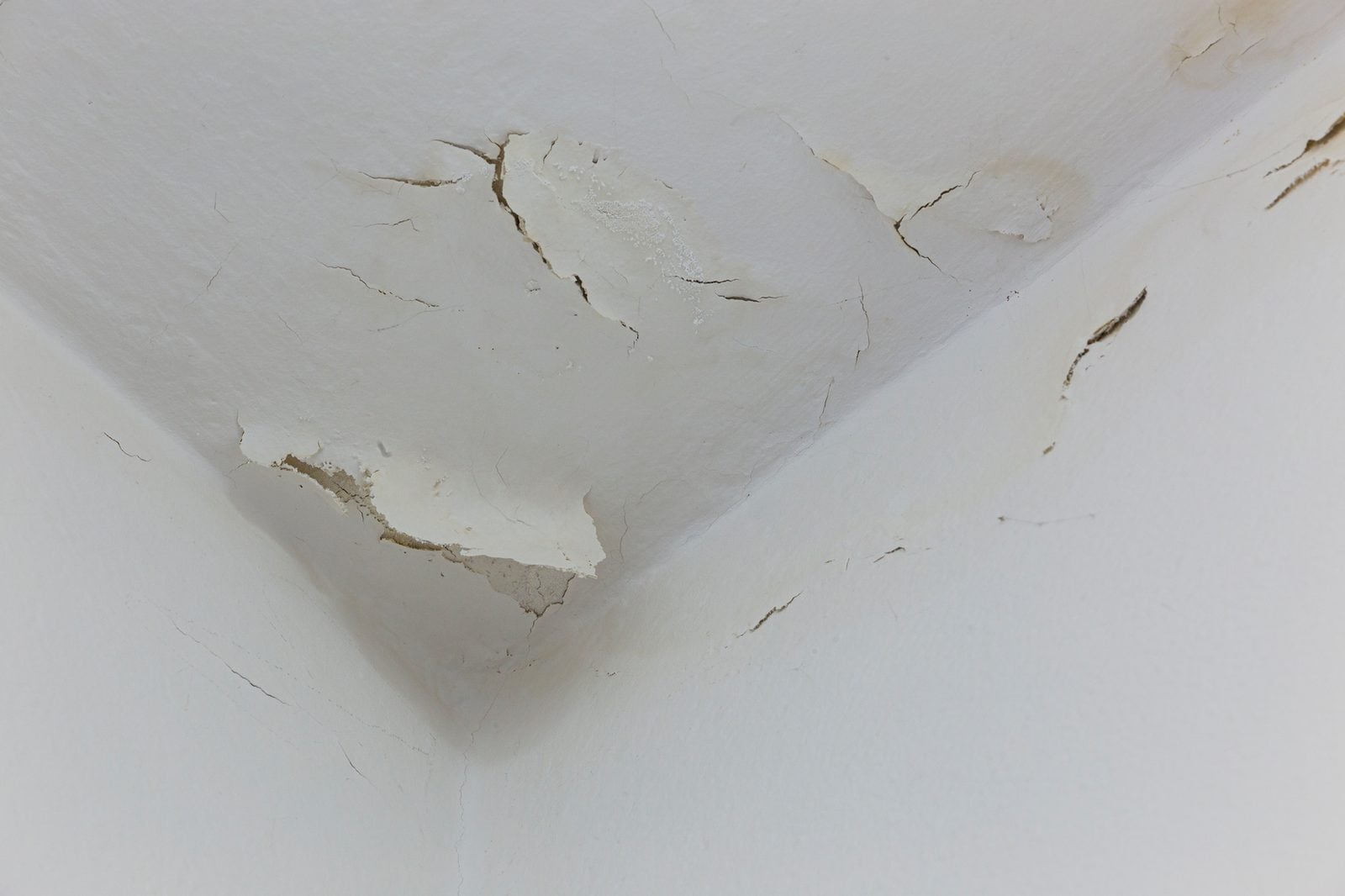
- The leak source has to be fixed first, so the cause of the water is often the biggest cost driver.
- Water spreads across the top of drywall and through insulation, so the damaged area is often larger than the stain.
- The Texas Department of Insurance warns that mold can start growing within a day after a leak, which is why fast drying keeps jobs smaller.
- TDI says most home policies cover sudden and accidental water damage but usually not gradual leaks.
- A provider should inspect, explain your options and give a written quote before any work starts.
What drives ceiling water damage repair cost in San Antonio?
Ceiling water damage repair cost in San Antonio is driven by the leak source, the size of the wet area, the ceiling material and finish, whether insulation or framing got wet, and whether mold is present. Every job is quoted after an inspection, because a stain on the surface rarely shows the full picture.
Think of the job in layers. First, someone has to find and stop the water, which might be a roof, a pipe, an AC drain line or an upstairs bathroom. Next, the wet area has to be measured with moisture meters and dried. Only then does the ceiling itself get patched, replaced, textured and painted. Each layer adds labor and materials, and each one can be small or large depending on your home.
Why does the source of the leak change the cost so much?
The source matters because it decides how much has to be opened up, who has to fix it, and whether the water was clean or dirty. A ceiling repair only holds if the leak above it is stopped first.
- Roof leaks: wind-driven rain or damaged flashing can soak the attic insulation before a stain ever appears. Roof work is usually a separate trade and a separate quote. See roof and ceiling leak water damage.
- Plumbing leaks: a supply line or drain pipe in the ceiling may need the drywall opened so a plumber can reach it. A burst pipe often releases a lot of water fast. See burst pipe and leak cleanup.
- AC and attic equipment: a clogged condensate line or overflowing drain pan in the attic can drip slowly for weeks.
- Upstairs bathrooms and appliances: a toilet, tub or washer above the ceiling can leak through the floor. See appliance leak water damage cleanup.
Water from a toilet overflow or a drain line is treated as dirty water, so soaked materials are usually removed instead of dried. That adds cleanup steps to the job.
How does the size of the stain affect the price of fixing a water-damaged ceiling?
A larger wet area means more drywall to cut out, more drying equipment and more finishing work, so size is a direct cost driver. The catch is that the stain you see is often smaller than the wet area above it.
Water runs along joists and across the back of the drywall before it soaks through. It also wicks into insulation, which can hold moisture against the ceiling for days. A provider will use a moisture meter, and sometimes a thermal camera, to map where the ceiling is actually wet. That map, not the stain, sets the size of the repair.
Small, dry stains may only need a stain-blocking primer and paint once the leak is fixed and moisture readings are normal. Soft, crumbly or sagging drywall usually has to be cut out and replaced. A ceiling that bulges or holds a bubble of water is a safety issue: keep people out from under it and call for help.
Need help now? Call to be connected with a local provider in San Antonio who can check availability for your address.
Which ceiling materials and finishes cost more to repair?
Ceilings with special textures, plaster or high, vaulted heights usually cost more to repair than a flat drywall ceiling with a simple finish, because matching and reaching them takes more time and skill.
- Flat drywall: the simplest to patch, tape and paint.
- Textured ceilings: knockdown, orange peel or popcorn texture has to be matched so the patch blends in. Older popcorn ceilings may need testing before they are disturbed, so ask the provider about this.
- Plaster: found in some older homes, and it takes different methods than drywall.
- High or vaulted ceilings: need scaffolding or tall ladders, which adds labor.
- Insulation and framing: wet insulation is often replaced, and framing that stayed wet may need drying or treatment.
Paint matters too. If the patch cannot be blended, the whole ceiling, and sometimes the connected rooms, may need repainting so the color matches.
Does mold change the cost of ceiling water damage repair in Texas?
Yes. Mold adds containment, removal and cleaning steps, and larger mold jobs in Texas follow state rules, so a ceiling with mold usually costs more to fix than one that was dried quickly.
The Texas Department of Insurance warns that mold can start growing within a day after a leak. If a ceiling stays wet for days, mold can grow on the back of the drywall and in the insulation where you cannot see it.
The Texas Department of Licensing and Regulation (TDLR) regulates mold assessment and mold remediation businesses. A homeowner can clean up mold in their own home without a license. For hired work, a licensed mold remediator must notify TDLR at least five days before a project begins, but there is no notification requirement for projects where mold affects less than 25 contiguous square feet. Texas rules also prohibit one licensee from doing both the mold assessment and the remediation on the same project. If mold is part of your ceiling job, see mold remediation after water damage.
How can I keep ceiling water damage repair costs down?
The most effective way to keep ceiling water damage repair cost in check is to stop the water and start drying quickly. The longer a ceiling stays wet, the more material has to be replaced and the higher the chance of mold.
- Shut off the water if the leak is from plumbing. Turn off power to any light fixture or fan in the wet area.
- Move furniture and electronics out from under the stain and put down a bucket and towels.
- Take photos and video of the ceiling, the attic if you can safely see it, and anything that got wet.
- Do not poke or cut a sagging ceiling yourself. It can fall with a lot of water.
- Get the area checked for hidden moisture before anyone patches or paints. Painting over a wet ceiling traps water and often means doing the job twice.
Professional structural drying with air movers and dehumidifiers can often save framing and sometimes drywall that would otherwise be replaced.
Will homeowners insurance help with the cost of a water-damaged ceiling?
It depends on the cause and your policy. The Texas Department of Insurance says most homeowner policies cover sudden and accidental water damage, such as a burst pipe, but usually not damage from gradual leaks or seepage.
That means a ceiling soaked by a pipe that suddenly broke is often treated differently from a ceiling stained by a slow drip that went on for months. TDI also says a homeowners policy won't pay for flooding, which needs a separate flood policy, and that hidden water damage usually must be reported within days after you first see it.
Check your policy, report the damage promptly and keep photos, receipts and the written quote. Under Texas law as summarized by TDI, an insurer must acknowledge a claim within 15 days. Our guide to water damage insurance claim basics covers the paperwork.
What happens during the visit?
When you call, you are connected with a local provider in San Antonio who can check availability for your address. During the visit, they inspect the ceiling, explain your options and give you a written quote before any work starts.
- Inspection: they look at the stain, check the attic or the space above if they can reach it, and take moisture readings to see how far the water spread.
- Source check: they look for the cause, or tell you which trade, such as a roofer or plumber, needs to fix it.
- Options: they explain whether the ceiling can be dried and refinished or needs sections replaced, and whether insulation or mold is involved.
- Written quote: you get the scope in writing so you can compare it and share it with your insurance company.
Why San Antonio ceilings get water damage
San Antonio weather puts ceilings to the test from every direction: hard freezes, heavy rain and long, hot summers.
- Freezes: during the February 2021 winter storm, San Antonio International Airport stayed below freezing for 4 days 12 hours, and the National Weather Service listed burst water pipes among the impacts. Insurers reported 44,232 claims in Bexar County from that storm. Pipes in attics and exterior walls are the ones most exposed when it freezes, and NWS normals show San Antonio averages 14 days a year with lows at or below 32°F.
- Heavy rain: the Lower Colorado River Authority says the Texas Hill Country is known as Flash Flood Alley because it has one of the greatest risks for flash floods in the United States. Hard rain tests roofs, flashing and skylights.
- Heat: San Antonio averages 122.4 days a year with highs of 90°F or above, so attic AC units run hard and their drain lines and pans need regular checks.
- Hard water: SAWS says the typical hardness of its water ranges from 15 to 20 grains per gallon. Mineral buildup is one more reason to keep an eye on water heaters and supply lines located above ceilings.
Whether you live in Stone Oak, Alamo Heights, Helotes, Schertz or Boerne, the cost drivers are the same. See all service areas.
Related pages
Questions people ask
How much does ceiling water damage repair cost in San Antonio?
It depends on the leak source, how far the water spread, your ceiling type and whether mold is present. A local provider can inspect your ceiling and give you a written quote before any work starts.
What is the biggest factor in ceiling water damage repair cost?
Usually the size of the wet area and the cause of the leak. A quick, clean leak caught early is a much smaller job than a ceiling that stayed wet for weeks.
Can I just paint over a water stain on my ceiling?
Only after the leak is fixed and the ceiling is fully dry. Painting over a wet ceiling traps moisture and the stain often comes back, so get moisture readings first and use a stain-blocking primer.
Is a sagging ceiling from water damage dangerous?
Yes, it can be. A sagging ceiling may be holding water and can fall, so keep people and pets out from under it, turn off power to nearby fixtures and call for help.
Do I need to replace drywall after a ceiling leak?
Not always. Drywall that stays firm and dries quickly can sometimes be saved, but soft, crumbling or sagging drywall usually has to be cut out and replaced.
Does wet attic insulation need to be replaced?
Often, yes. Wet insulation holds moisture against the ceiling and loses its ability to insulate, so a provider will usually recommend removing soaked sections.
Why does a textured ceiling cost more to fix?
Because the patch has to match the existing texture. Knockdown, orange peel and popcorn finishes take extra time and skill to blend so the repair does not show.
How fast can mold grow in a wet ceiling in Texas?
Quickly. The Texas Department of Insurance warns that mold can start growing within a day after a leak, which is why drying should start as soon as possible.
Do I need a licensed mold company to fix a moldy ceiling in Texas?
It depends on who does the work and how big it is. A homeowner can clean up mold in their own home without a license, but businesses doing mold assessment or remediation must be licensed by TDLR unless an exemption applies.
Does homeowners insurance cover a water-damaged ceiling in Texas?
It depends on the cause and your policy. The Texas Department of Insurance says most policies cover sudden and accidental water damage but usually not gradual leaks, so check your policy and document everything.
Will insurance pay for ceiling damage from a roof leak?
Coverage depends on what caused the leak and your policy terms. Sudden storm damage is often treated differently from a roof that leaked slowly over time, so ask your insurer.
How soon should I report ceiling water damage to my insurance company?
As soon as you can. TDI says hidden water damage usually must be reported within days after you first see it, and each policy sets its own deadline.
Can a ceiling leak from an AC unit cause damage in San Antonio?
Yes. Attic AC units in San Antonio run for long stretches, and a clogged condensate line or full drain pan can drip into the ceiling for weeks before a stain shows.
Why is the damaged area bigger than the stain on my ceiling?
Water spreads along joists and the back of the drywall before it soaks through. A moisture meter shows how far it really went.
Is ceiling water damage from an upstairs bathroom more expensive to fix?
It can be. Water from a toilet or drain is treated as dirty, so soaked materials are usually removed rather than dried, which adds cleanup steps.
What should I do first when water is dripping from my ceiling?
Stop the water if you can and turn off power to fixtures in the wet area. Then move belongings, catch the drips, take photos and call for help.
Who do I call for ceiling water damage repair in San Antonio, TX?
Call the number on this page to be connected with a local water damage provider in San Antonio. They can check availability for your address and explain the next step.
Talk to someone about your water damage problem
Call to be connected with a local provider who can check availability for your address and explain the next step.