Does Homeowners Insurance Cover Water Damage From Rain?
Does homeowners insurance cover water damage from rain? In San Antonio, it depends on how the rain got inside and what your policy says. Many policies treat sudden damage differently from slow leaks, and floodwater usually needs a separate flood policy. Check your policy, document everything and call to be connected with a local provider.
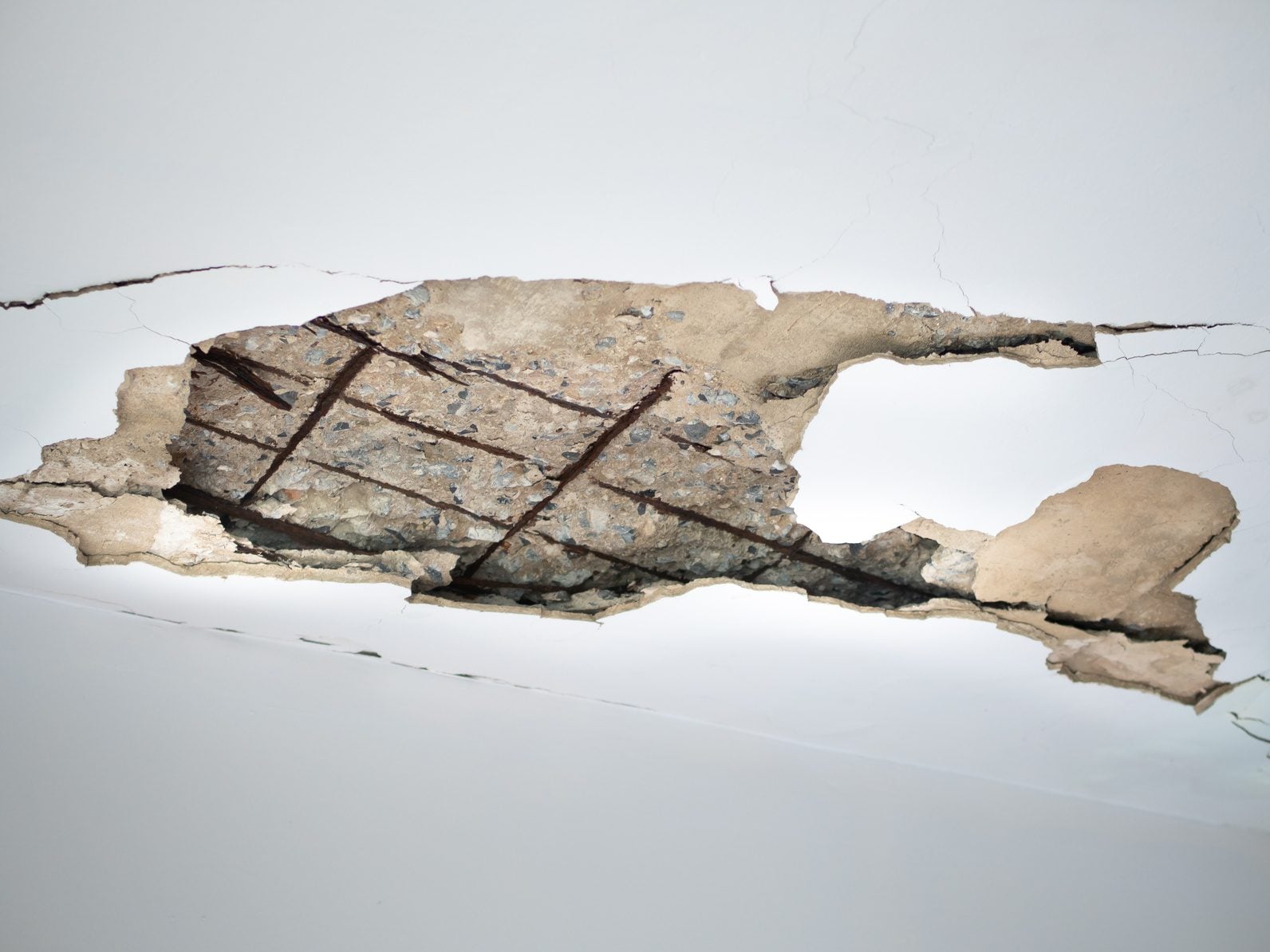
- The Texas Department of Insurance (TDI) says most home policies cover sudden and accidental water damage but usually not gradual leaks or seepage.
- TDI says a homeowners policy won't pay for flooding, and flood coverage requires a separate policy.
- Rain that enters through a newly storm-damaged roof or window is often viewed differently from surface water flowing in from outside.
- TDI warns that mold can start growing within a day after a leak, so drying should not wait for a claim decision.
- Only your insurer can decide coverage. Read your policy and photograph the damage before cleanup.
Does homeowners insurance cover water damage from rain?
Sometimes. Whether homeowners insurance covers water damage from rain in San Antonio depends on the path the water took, how fast the damage happened and the exact wording of your policy. There is no single yes or no answer, and only your insurer can make the call on your claim.
Insurers tend to ask three questions about rain damage. First, how did the water get in? Rain that came through an opening created by a storm is often looked at differently from rain that seeped through an old, worn seal. Second, was it sudden or gradual? The Texas Department of Insurance says most homeowner and renters policies cover sudden and accidental water damage but usually won't cover gradual leaks or seepage. Third, was it flooding? TDI says a homeowners policy won't pay for flooding, which requires a separate flood policy.
Why does sudden vs gradual damage matter for rain leaks?
It matters because many policies are written to cover unexpected events, not slow problems that build over time.
TDI says policies won't cover a continuous water leak. An insurer may ask whether the roof, window or door was already worn out before the rain, or whether rot, staining or mold shows the water had been getting in for a while.
- Often viewed as sudden: a storm tears off shingles or breaks a window, and rain pours in right away.
- Often viewed as gradual: a flashing gap or cracked caulk lets a little water in every time it rains, until a stain finally shows.
- Gray areas: an older roof that fails in a heavy storm. Ask your insurer how your policy treats age and wear.
This is one reason not to ignore small stains. TDI says hidden water damage usually must be reported within days after you first see it.
Is rain coming through the roof treated differently from flooding?
Usually, yes. Rain that gets in through the roof, a window or a wall is often handled under a homeowners policy, while water that rises from the ground or flows in across the surface is generally treated as flood.
That surprises a lot of San Antonio homeowners. If heavy rain makes a nearby creek rise, or street runoff pours in under the front door, many policies call that flooding even though the source was rain. TDI says most flood policies have a 30-day waiting period before coverage starts, so one cannot be bought once a storm is on the way.
If floodwater got into your home, see storm and flood damage cleanup. If water came through the roof, see roof and ceiling leak water damage.
Need help now? Call to be connected with a local provider in San Antonio who can check availability for your address.
What is wind-driven rain, and how do policies handle it?
Wind-driven rain is rain pushed sideways by strong wind into places that normally stay dry, such as around windows, doors, vents and siding. Policies handle it in different ways, so read your policy wording closely.
Some policies look at whether wind first created an opening, such as a broken window or a lifted shingle, before the rain got in. Others have specific exclusions for rain that enters without that kind of damage, and some homes carry a separate wind deductible. Ask your agent or insurer to explain how your coverage and exclusions apply.
Photograph the outside of the house too. A missing shingle or broken glass shows how the water got in.
What are the common myths about rain damage and insurance?
The biggest myth is that any water from the sky is automatically covered. In reality, how the water entered and how long the problem lasted usually matter more than the fact that it was rain.
- Myth: "Rain is weather, so it is always covered." Fact: TDI says most policies cover sudden and accidental water damage but usually not gradual leaks or seepage.
- Myth: "My homeowners policy includes flood." Fact: TDI says flood coverage requires a separate policy.
- Myth: "I should leave everything wet until the adjuster sees it." Fact: TDI advises stopping a leak as soon as possible and warns that mold can start growing within a day after a leak. Document first, then dry.
- Myth: "Mold is always included if the leak is covered." Fact: TDI says most home policies don't include mold cleanup and testing after the damaged item is removed.
What should I document after rain gets into my house?
Document the damage before you clean up, and keep documenting as work goes on. Good records help your insurer understand what happened and when.
- Stay safe first. Turn off power to wet rooms at the breaker if you can reach it from a dry spot, and stay away from a sagging ceiling.
- Photograph and video everything. Capture ceilings, walls, floors, belongings and the outside of the house, including the roof line and windows.
- Write down the timeline. Note when the rain started, when you first saw water and what you did next.
- Limit more damage if it is safe. Move belongings and catch drips. Do not climb onto a wet roof.
- Keep damaged items and receipts. Ask your insurer before throwing out soaked carpet or furniture, and save receipts for tarps and fans.
- Report it promptly. Ask for a claim number and write down who you spoke with.
For the paperwork side, read water damage insurance claim basics.
What happens during the visit?
When you call, you are connected with a local water damage provider in San Antonio who can check availability for your address. During the visit, they inspect the damage, explain your options and give you a written quote before any work starts.
- Inspection: they take moisture readings to see how far the rainwater spread into drywall, insulation, flooring and framing.
- Source check: they look for where the water came in, or tell you which trade, such as a roofer, needs to fix it.
- Options explained: they explain what can likely be dried in place, what may need removal and whether mold is a concern.
- Written quote: you get the scope in writing to review and share with your insurance company.
A provider can describe the damage, but only your insurer can decide whether your policy covers it.
Why rain damage questions come up so often in San Antonio
San Antonio gets long dry spells broken by heavy, fast rain, the pattern that leads to both roof leaks and flash flooding.
- Flash Flood Alley: the Lower Colorado River Authority says the Texas Hill Country is known as Flash Flood Alley because it has one of the greatest risks for flash floods in the United States.
- A long flood record: the City of San Antonio's 2019 climate vulnerability assessment says that since 1996 Bexar County has had 310 reported flood events.
- Record rain: July 2002 was San Antonio's wettest July on record, with 16.92 inches at San Antonio International Airport, and Canyon Dam overtopped for the first time on July 4.
- Historic floods: the National Weather Service reports that flooding on October 17-18, 1998 along the Guadalupe River and in the San Antonio and Austin metro areas killed 31 people.
That is why the line between rain damage and flood damage matters here. Homes near creeks and low spots in New Braunfels, Helotes, Boerne and Schertz face the same policy questions as homes in Stone Oak or Alamo Heights. See all service areas.
Related pages
Questions people ask
Does homeowners insurance cover water damage from rain if my roof leaks during a storm?
It may, depending on your policy and what caused the leak. Many policies look at whether the storm created a sudden opening, like missing shingles, versus a roof that was already worn, so check your policy and document everything.
Does homeowners insurance cover rainwater that comes in under my front door?
Often not under a standard homeowners policy, because water flowing in across the ground is usually treated as flooding. TDI says flood coverage requires a separate policy, so ask your insurer how your policy defines flood.
Is rainwater in my house considered flood damage by insurance?
It depends on how it got in. Rain coming through the roof or a broken window is often handled differently from surface water or a rising creek, which is generally considered flood.
Will my insurance pay if rain leaks through an old roof?
It might not, because many policies exclude wear and tear. TDI says a homeowners policy won't pay for wear and tear, so an insurer may look closely at the roof's condition before the storm.
What does wind-driven rain mean on a homeowners policy?
It means rain pushed sideways by wind into places that normally stay dry, like around windows and vents. Some policies cover it only if wind first created an opening, so read that section closely.
Does homeowners insurance cover water seeping into my slab or foundation after heavy rain?
You need to check your policy for that. TDI lists damage to foundations or slabs as an optional add-on, and policies usually don't cover gradual seepage, so look for a foundation or slab endorsement.
Should I file a claim for rain damage or just pay for the repairs myself?
That is a personal decision based on your policy, your deductible and the size of the damage. Getting a written quote first can help you compare, and your agent can explain how a claim works under your policy.
Can I start drying out my house before the insurance adjuster comes?
Yes, in most cases you should, after you photograph everything. TDI advises stopping a leak as soon as possible and warns that mold can start growing within a day after a leak.
Should I throw away rain-soaked carpet before the adjuster sees it?
Not until you know what your insurer wants. Photograph it, move it somewhere it won't cause more damage if you can, and ask your insurer whether they need to see it or a sample.
What photos should I take for a rain damage insurance claim?
Take wide shots and close-ups of every wet area and the outside of the house. Include the roof line, windows, ceilings, floors and anything that shows how the water got in.
Will my claim have problems if I wait too long to report rain damage?
It can. TDI says hidden water damage usually must be reported within days after you first see it, and each policy sets its own deadline, so report it as soon as you can.
Do I need a separate flood policy if I live in San Antonio?
If you want coverage for flooding, yes. TDI says a homeowners policy won't pay for flooding, and most flood policies have a 30-day waiting period, so it is worth reviewing before storm season.
Does homeowners insurance cover mold after rain leaks into my house?
It depends on whether the leak itself is covered. TDI says mold on an item damaged in a covered loss would be covered, but most home policies don't include mold cleanup and testing after the damaged item is removed.
Who decides whether my rain damage is covered?
Your insurance company decides, based on your policy and its review of the damage. Under Texas law as summarized by TDI, an insurer must acknowledge a claim within 15 days.
Who can I call in San Antonio to look at water damage from rain?
Call the number on this page to be connected with a local water damage provider in San Antonio. They can check availability for your address and explain the next step.
Talk to someone about your water damage problem
Call to be connected with a local provider who can check availability for your address and explain the next step.