Is Water Damage Covered by Homeowners Insurance? San Antonio
Is water damage covered by homeowners insurance? In San Antonio, it often is when the damage was sudden and accidental, like a burst pipe or a broken washer hose, and often is not when it came from a slow leak or floodwater. Learn the signs, check your policy, document everything and call to be connected with a local provider.
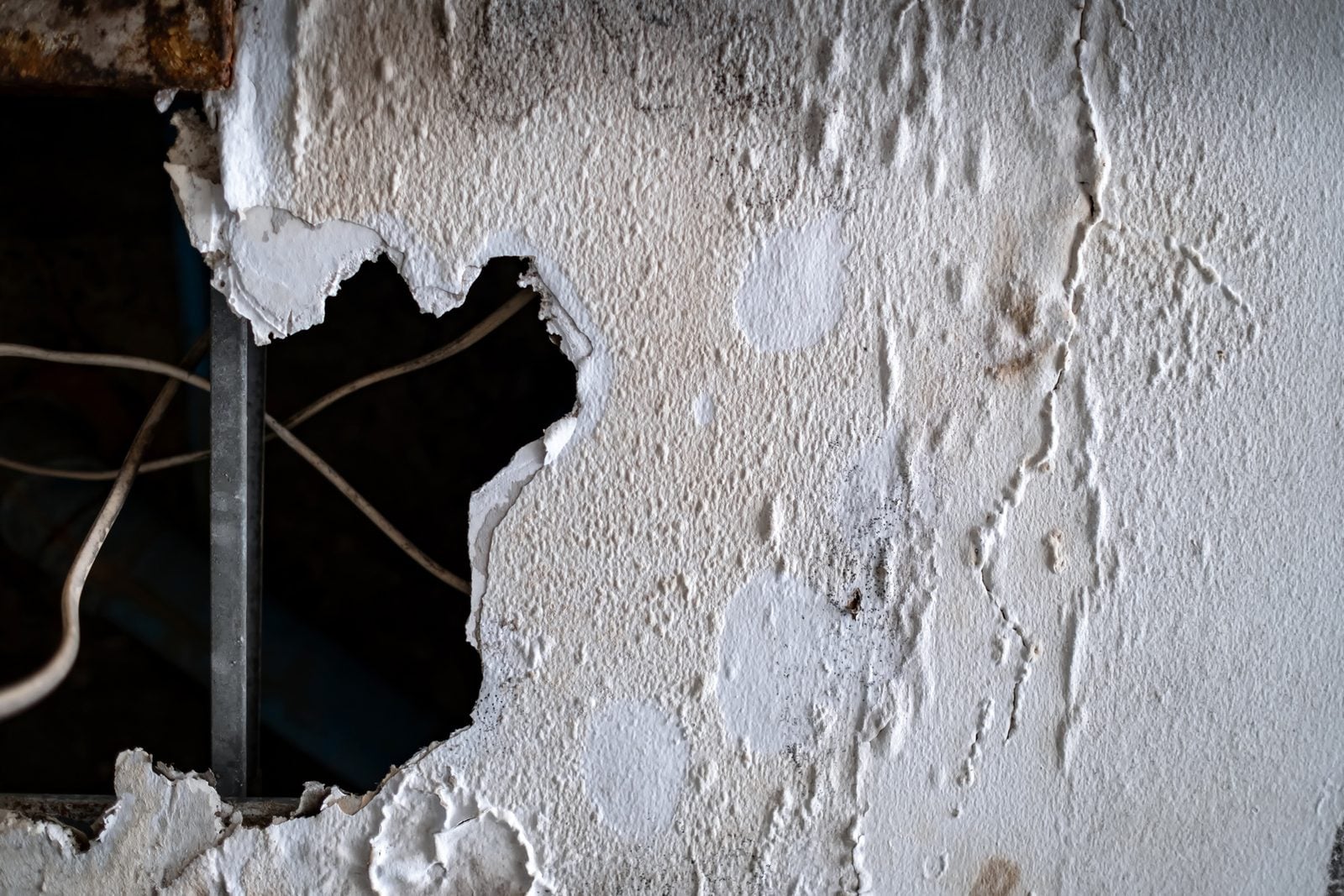
- The Texas Department of Insurance (TDI) says most homeowner policies cover sudden and accidental water damage but usually not gradual leaks or seepage.
- TDI says a homeowners policy won't pay for flooding or wear and tear. Flood coverage requires a separate policy.
- TDI warns that mold can start growing within a day after a leak, so stop the water and start drying right away.
- Hidden water damage usually must be reported within days after you first see it, according to TDI.
- Only your insurer can decide coverage. Photos, dates and moisture readings help tell the story of what happened.
Is water damage covered by homeowners insurance in San Antonio?
Often, but not always. In San Antonio, water damage is usually covered by homeowners insurance when it was sudden and accidental, and usually not covered when it built up slowly over time or came from floodwater. The exact answer depends on your policy wording and the cause, and only your insurer can decide your claim.
The Texas Department of Insurance gives a simple rule of thumb. Most homeowner and renters policies cover sudden and accidental water damage, such as a burst pipe, a toilet overflow or a broken washer hose. They usually won't cover damage from gradual leaks or seepage. TDI also says a homeowners policy won't pay for flooding or wear and tear, and that flood coverage needs its own policy.
What signs make water damage look sudden and accidental?
Sudden water damage usually has a clear starting moment and a clear source. If you can point to the day it happened and the part that failed, the damage tends to look sudden and accidental, which is the type most policies are written to address.
- A clear failure: a split supply line, a cracked fitting, a burst pipe after a freeze or a washer hose that let go.
- Fresh water, fresh damage: wet flooring, soaked baseboards or a dripping ceiling with no older stains around it.
- A known time: you came home and found water that was not there that morning.
If this sounds like your situation, see our page on burst pipe and leak cleanup for what drying usually involves.
What signs make water damage look gradual or long-term?
Gradual damage shows layers of time. Old rings, rot, rust and mold that has clearly been growing for a while all suggest water has been getting in slowly. TDI says most policies usually won't cover gradual leaks or seepage, so these signs matter.
- Stain rings: a ceiling or wall stain with several darker edges, like tree rings, from repeated wetting and drying.
- Soft or rotted wood: subfloor, cabinet bases or framing that crumbles or feels spongy.
- Rust and mineral crust: corrosion on valves, water heater fittings or pipes under a sink.
- Established mold: large dark patches or a musty smell that has been there for weeks.
Some homes show both, so document everything and let your insurer sort out the details.
Need help now? Call to be connected with a local provider in San Antonio who can check availability for your address.
Does the source of the water change whether it is covered?
Yes. The source of the water is one of the first things an insurer looks at, because policies treat plumbing, appliance, roof, flood and sewer water differently. Knowing the source helps you read your policy and explain the loss clearly.
- Plumbing and appliances inside the home: a burst pipe, toilet overflow or washer hose is the classic sudden and accidental example TDI gives. See appliance leak water damage cleanup.
- Frozen pipes: TDI warns that policies might not pay for frozen-pipe damage if you didn't take steps to protect your pipes.
- Floodwater from outside: surface water rising into the home is flooding, which a homeowners policy won't pay for. It needs a separate flood policy.
- Slabs and foundations: TDI lists damage to foundations or slabs as an optional add-on, so check whether your policy has a foundation or slab endorsement.
Why do insurers care about wear and tear and maintenance?
Insurers care because homeowners insurance is meant for sudden events, not for parts that wear out with age. TDI says a homeowners policy won't pay for wear and tear, and its home insurance guide says policies won't cover a continuous water leak.
In practice, the worn-out part itself may be treated differently from the damage it caused. An old water heater or a worn toilet seal may raise maintenance questions, while the water that spread from it may be reviewed separately. Read the exclusions section of your policy and ask your agent about anything unclear.
Is mold from water damage covered by homeowners insurance?
Sometimes. TDI says mold that develops on an item damaged in a covered loss would be covered, but mold from a flood is not, and most home policies don't include mold cleanup and testing after the damaged item is removed. Fast drying is the simplest way to limit mold.
TDI also warns that mold can start growing within a day after a leak. If mold is already visible or the job is large, Texas has state rules for mold assessment and remediation work, so ask the provider about them. See mold remediation after water damage for more.
What should I document before I call my insurance company?
Document the source, the spread and the timeline before anything is thrown away. Clear photos, dates and notes make it easier for your insurer to see whether the damage was sudden or gradual, which is the core of most water damage decisions.
- Stop the water first at the fixture valve or the main shutoff, if it is safe.
- Photograph the source, such as the split hose, cracked pipe or overflowing fixture, up close and from a distance.
- Photograph every wet area, including ceilings, baseboards, cabinets and flooring.
- Write down the timeline: when you noticed it, when you shut the water off and who you called.
- Keep damaged parts like the failed hose or fitting, and keep removed materials until your insurer says otherwise.
For a step-by-step look at the claim process, read water damage insurance claim basics.
What happens during the visit?
When you call, you are connected with a local water damage provider in San Antonio who can check availability for your address. During the visit, they inspect the damage, explain your options and give you a written quote before any work starts.
- Inspection: they take moisture readings to map how far the water spread into drywall, flooring, cabinets and framing.
- Source notes: they note where the water came from, or tell you which trade, such as a plumber, needs to fix the source.
- Options explained: they explain what can likely be dried in place, what may need removal and whether mold is a concern.
- Written quote: you get the scope in writing to review and share with your insurance company.
A provider can describe and document the damage, but only your insurer can decide whether your policy covers it.
Why San Antonio homes see so many water damage claims
San Antonio weather sets up both kinds of water damage that policies treat differently: sudden pipe failures in rare hard freezes and outside water from fast, heavy storms.
- Hard freezes are rare but serious: NWS normals show San Antonio averages 14 days a year with lows at or below 32°F, and during the February 2021 storm San Antonio International Airport stayed below freezing for 4 days 12 hours.
- A wave of claims: insurers reported 44,232 claims in Bexar County, 4,307 in Comal County and 2,955 in Guadalupe County from that February 2021 storm, as of March 31, 2022, across all lines of insurance.
- Flash Flood Alley: the Lower Colorado River Authority says the Texas Hill Country is known as Flash Flood Alley because it has one of the greatest risks for flash floods in the United States. Floodwater needs a separate flood policy.
- Hard water: SAWS says the typical hardness in its water ranges from 15 to 20 grains per gallon, from minerals in the Edwards and Trinity aquifers. Mineral buildup on valves and fittings is worth watching as part of routine upkeep.
Whether you live in Stone Oak, Alamo Heights or Helotes, or out in Schertz, New Braunfels or Boerne, the same coverage questions apply: was it sudden, what was the source and what does your policy say. See all service areas.
Related pages
Questions people ask
Is water damage covered by homeowners insurance if a pipe suddenly bursts in my house?
It often is. TDI lists a burst pipe as a common example of sudden and accidental water damage that most homeowner policies cover, but your exact policy wording decides, so check it and document everything.
Is water damage from a slow leak under my sink covered by insurance?
Usually not. TDI says most policies won't cover damage from gradual leaks or seepage, though a slow leak that ends in a sudden failure can be a gray area, so report it and let your insurer review it.
How does my insurance company decide if water damage was sudden or gradual?
They look at the source, the pattern of damage and the timeline. Signs like stain rings, rot, rust and old mold point to gradual damage, while a clear failed part and fresh water point to a sudden event.
Does homeowners insurance cover a water heater that leaked and flooded my garage?
It may cover the water damage if the leak was sudden, but the worn-out water heater itself may be treated as wear and tear. Read your policy and photograph the tank, fittings and every wet area.
Will my homeowners insurance pay if my washing machine hose breaks?
Often, yes. TDI uses a broken washer hose as an example of sudden and accidental water damage that most policies cover, but check your own policy terms and keep the failed hose.
Is a toilet overflow covered by homeowners insurance in Texas?
It often is. TDI names toilet overflows among the sudden and accidental water damage most homeowner and renters policies cover, but the cause and your policy wording still matter, so document the damage.
Does homeowners insurance cover water damage from a leaking AC drain line?
It depends on whether the overflow was sudden or a slow, repeated drip. A sudden clog that spills water is viewed differently from a line that leaked for months, so photograph the line and the damage and ask your insurer.
Is water damage covered if I didn't notice the leak for a few weeks?
It might be harder to get covered. TDI says hidden water damage usually must be reported within days after you first see it, and long-running leaks may be treated as gradual, so report it as soon as you find it.
What is the difference between flood damage and sudden water damage for a homeowners policy?
Flood damage comes from surface water rising into your home from outside, while sudden water damage usually starts inside, like a burst pipe. TDI says a homeowners policy won't pay for flooding, which needs a separate flood policy.
Does homeowners insurance cover water damage under my slab foundation?
Not always. TDI lists damage to foundations or slabs as an optional add-on, so check whether your policy includes a foundation or slab endorsement before assuming either way.
Can my insurance deny a water damage claim because of wear and tear?
Yes, wear and tear is a common exclusion. TDI says a homeowners policy won't pay for wear and tear, so a worn part may not be covered, even if water damage it caused is reviewed separately under your policy.
Should I dry out my house before the insurance adjuster comes to look?
Usually yes, after you document the damage. TDI warns that mold can start growing within a day after a leak, and most policies expect you to prevent further damage, so photograph everything first and then start drying.
Does homeowners insurance cover mold caused by a covered water leak?
Sometimes. TDI says mold on an item damaged in a covered loss would be covered, but most policies don't include mold cleanup and testing after the damaged item is removed.
How do I find out what my homeowners policy says about water damage?
Read the coverage and exclusions sections of your policy, then ask your agent or insurer to explain anything unclear. Look for terms like sudden and accidental, seepage, wear and tear, flood and any foundation or water backup endorsements.
Who can I call in San Antonio to inspect water damage before I file a claim?
Call the number on this page to be connected with a local water damage provider in San Antonio. They can inspect the damage, take moisture readings and give you a written quote to share with your insurer.
Talk to someone about your water damage problem
Call to be connected with a local provider who can check availability for your address and explain the next step.