San Antonio: Should I File a Water Damage Insurance Claim?
Should I file a home insurance claim for water damage? In San Antonio the answer usually depends on three things: what caused the water, how big the damage is compared with your deductible, and how much hidden moisture is still in the house. Sudden damage that is larger than your deductible is often worth reporting, and small, gradual leaks often are not.
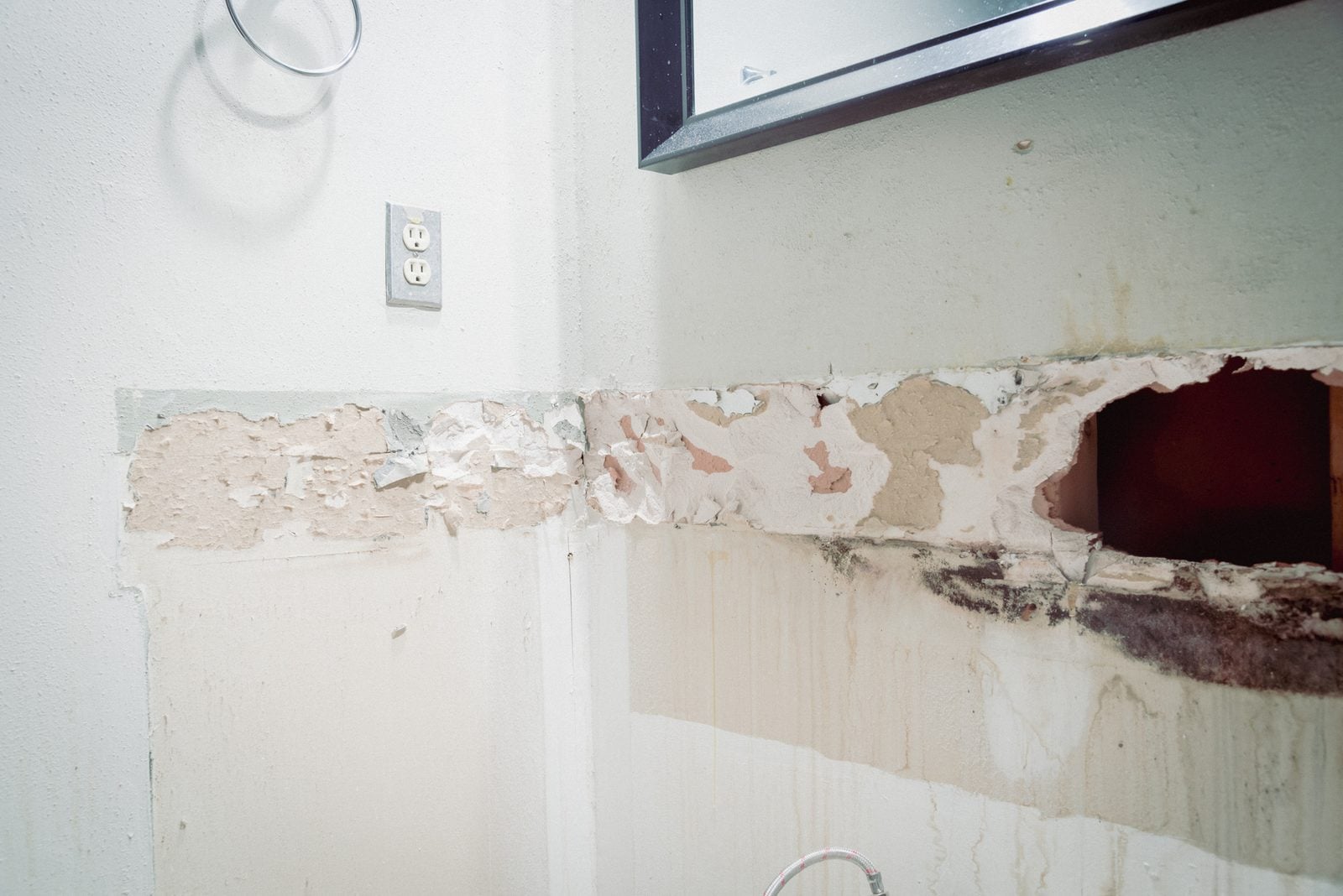
- The Texas Department of Insurance (TDI) says most homeowner policies cover sudden and accidental water damage, such as a burst pipe, but usually not gradual leaks or seepage.
- TDI says a homeowners policy won't pay for flooding. Flood coverage is a separate policy.
- TDI warns that mold can start growing within a day after a leak, so drying should not wait on the claim decision.
- TDI says hidden water damage usually must be reported within days after you first see it. Your policy sets the exact deadline.
- A written moisture check and quote from a local provider helps you compare the real size of the damage with your deductible.
Should I file a home insurance claim for water damage?
You should usually file a home insurance claim for water damage in San Antonio when the water came from a sudden event, such as a burst pipe or a broken supply line, and the repair will clearly cost more than your deductible. If the damage came from a slow leak, or is small enough to fix for less than the deductible, a claim may not help you.
There is no single right answer for every house. The decision is easier when you separate it into questions: What caused the water? Is it the kind of damage your policy usually treats as covered? How much of the house is actually wet? What is your deductible? Have you filed other claims recently? The sections below walk through each one in plain words. If you are unsure, call your agent or insurer and ask how a claim would be handled before you commit to anything. Many policies treat sudden damage differently from gradual leaks, so check your policy and document everything either way.
Does the cause of the water change whether a claim makes sense?
Yes. The cause of the water is the biggest factor in whether a water damage claim makes sense in San Antonio. TDI says most homeowner and renters policies cover sudden and accidental water damage, like a burst pipe, toilet overflow or broken washer hose, but usually won't cover damage from gradual leaks or seepage.
That means a pipe that split during a hard freeze is a very different claim from a shower pan that has been seeping under the tile for a year. Here is how the common causes usually sort out:
- Often treated as sudden: a burst supply line, a water heater that suddenly fails, an overflowing toilet, a broken washing machine hose, an ice maker line that snaps.
- Often treated as gradual: a slow drip under a sink, a leaking shower pan, rotting window seals, a roof that has leaked a little every rain for months.
- Usually needs a separate policy: rising water from outside. TDI says a homeowners policy won't pay for flooding, and flood coverage requires a separate policy.
If the cause is not clear, a provider can trace the moisture and write down where it started. That note is useful whether or not you end up filing.
How does my deductible affect the decision to file?
Your deductible is the part of a covered loss you pay yourself, so a water damage claim in San Antonio only puts money in your hands if the covered repair costs more than that amount. If the full repair is close to or under your deductible, filing usually gives you little or nothing back.
Look up your deductible on your declarations page before you decide. Some Texas policies use a flat deductible and some use a percentage of the home's coverage amount, which can be larger than people expect. Then compare it with a realistic picture of the job. Do not guess from the size of the stain. Water spreads under flooring, behind baseboards and up into drywall, so the damage you see is often smaller than the damage that is there. A written quote that covers drying, removal of ruined materials and rebuilding gives you a fair number to compare.
Need help now? Call to be connected with a local provider in San Antonio who can check availability for your address.
What costs are part of a water damage claim?
A water damage claim in San Antonio usually involves two kinds of work: mitigation, which stops the damage from growing, and rebuild, which puts the house back together. Both count toward the size of the loss, so leaving one out makes the damage look smaller than it is.
The things that most often drive the size of the job are:
- How many rooms got wet and whether water moved into a second floor ceiling or into walls.
- The type of water. Clean water from a supply line is easier to dry than gray water from a washer or dirty water from a sewer backup, which usually means more material has to come out.
- Flooring. Carpet pad, laminate and some wood floors often cannot be saved once soaked.
- How long the water sat. The longer materials stay wet, the more of them have to be removed.
- Mold. If mold has started, cleanup may require a licensed mold company in Texas, which adds a separate step.
- Contents. Furniture, rugs, electronics and stored items may be part of the loss too.
A provider can measure moisture room by room and put those items into a written quote, which is what you need to compare with your deductible.
Can filing a small water damage claim hurt me later?
Filing a small water damage claim in San Antonio can sometimes affect you later, because insurers look at claim history when they renew or price a policy. Whether that happens, and how much, depends on your insurer. Ask your agent before filing a claim that is close to your deductible.
Calling to ask a question is not always the same as filing a claim, but practices differ. If you want to talk through the situation first, ask your agent directly whether the conversation will be recorded as a claim. Some homeowners pay for small repairs themselves and save their policy for a large sudden loss. That is a personal choice.
What you should not do is wait too long to decide. TDI says hidden water damage usually must be reported within days after you first see it, so a late decision can cause its own problems.
What should I do before I decide to file a claim?
Before you decide whether to file a water damage claim in San Antonio, stop the water, document the damage and start drying. Those steps protect the house and your options at the same time, and none of them commit you to filing.
- Stop the source. Close the fixture valve or the main shutoff. SAWS customers can shut off the main water service at the meter if they suspect a leak at home.
- Take photos and video of every wet room, the source of the leak and any damaged belongings before you move or throw anything out.
- Keep damaged parts, like a split supply line or a failed valve, in a bag. They help show the cause.
- Start drying. Move belongings off wet floors and get air moving. TDI warns that mold can start growing within a day after a leak.
- Save every receipt for emergency work, fans, tarps or a hotel stay.
- Get a written assessment of the moisture and the repair scope so you can compare it with your deductible.
Call (830) 201-1096 to be connected with a local provider who can check the moisture and give you a written quote.
How long does an insurance company have to answer a water damage claim in Texas?
Under Texas law as summarized by TDI, an insurance company must acknowledge a claim within 15 days, accept or deny it within 15 business days after it gets all the information it needs, and pay within five business days after agreeing to pay. This is general guidance, not legal advice.
Those deadlines are one reason good records matter. The faster you can give the adjuster clear photos, a cause of loss, a moisture report and a written repair scope, the sooner the insurer has "all the information it needs." Keep a simple log of every call and email, with the date and the name of the person you spoke to. If you disagree with how your claim is handled, TDI offers consumer help for Texas policyholders on its website.
Why water damage claims come up so often in San Antonio
Water damage claims come up often in San Antonio because the area sees both hard freezes and flash floods, and each one produces a different kind of claim. Homes in Stone Oak, Alamo Heights, Helotes, Schertz and New Braunfels deal with the same weather risks.
Freezes: during the February 2021 winter storm, San Antonio International Airport stayed below freezing for 4 days 12 hours, and the National Weather Service listed burst water pipes among the impacts. SAWS issued a citywide boil water notice on February 17, 2021, citing low pressure and frozen pipes after "100-plus hours of below-freezing temperatures." As of March 31, 2022, insurers reported 44,232 claims in Bexar County, 4,307 in Comal County and 2,955 in Guadalupe County from that storm.
Freeze preparation matters for claims: TDI warns that home and renters policies might not pay for damage caused by frozen pipes if you didn't take steps to protect your pipes. NWS normals show San Antonio averages 14 days a year with lows at or below 32°F, so freeze steps are worth taking every winter.
Flooding: the Lower Colorado River Authority says the Texas Hill Country, known as "Flash Flood Alley," has one of the greatest risks for flash floods in the United States, and the City of San Antonio's 2019 assessment counted 310 reported flood events in Bexar County since 1996. Because flooding needs a separate policy, rising water from outside is usually a flood claim, not a homeowners claim. TDI notes most flood policies have a 30-day waiting period.
Not sure which kind of damage you have? Call (830) 201-1096 to be connected with a local provider who can document it.
Related pages
Questions people ask about water damage claims
Should I file a home insurance claim for water damage?
File if the water came from a sudden event like a burst pipe and the repair clearly costs more than your deductible. For a small or gradual leak, a claim may not pay anything, so compare a written quote with your deductible first.
Is it worth filing a water damage claim in San Antonio if the damage is small?
Often it is not, if the full repair is close to or below your deductible. Get a written scope first, because water damage is usually bigger than the visible stain, then decide.
Does homeowners insurance cover water damage from a burst pipe in Texas?
Usually, yes. TDI says most homeowner policies cover sudden and accidental water damage, such as a burst pipe, but check your own policy for limits and conditions.
Will insurance pay for a slow leak under my sink?
Usually not. TDI says most policies won't cover damage from gradual leaks or seepage. Fixing the leak and drying the area quickly is the main goal.
Does homeowners insurance cover flood water coming into my house?
No, not under a standard policy. TDI says a homeowners policy won't pay for flooding, and flood coverage requires a separate flood policy.
Will filing a water damage claim raise my insurance rates?
It can, depending on your insurer, because claim history may be considered at renewal. Ask your agent how your company treats water claims before filing a small one.
How soon do I have to report water damage to my insurance company?
Report it quickly. TDI says hidden water damage usually must be reported within days after you first see it, and your policy sets the exact deadline.
How long does an insurance company have to respond to a claim in Texas?
TDI says an insurer must acknowledge a claim within 15 days and accept or deny it within 15 business days of getting all the information it needs. Payment is due within five business days after it agrees to pay.
Should I dry out my house before the adjuster comes?
Yes, start drying and stop further damage right away, but wait on permanent repairs until your insurer agrees. Take photos before and after each step.
What photos should I take for a water damage claim?
Photograph every wet room, the source of the leak, water lines on walls, damaged flooring and belongings, and any broken part. Take wide shots and close-ups before you move anything.
Will insurance pay for mold after a water leak in Texas?
Sometimes. TDI says mold that grows on an item damaged in a covered loss would be covered, but mold from a flood is not, and most policies don't include mold cleanup and testing after the damaged item is removed.
Will insurance cover burst pipes from a freeze in San Antonio?
Often, but TDI warns policies might not pay for frozen pipe damage if you didn't take steps to protect your pipes. Keep notes on what you did to prepare.
How do I know if my water damage is sudden or gradual?
A provider can trace the moisture and look for signs such as staining patterns, rot or old mold that suggest a long-term leak. A clear, written cause of loss helps you and the adjuster.
What does a water damage provider do if I am still deciding about a claim?
A provider can inspect the damage, measure moisture, explain your options and give you a written quote before any work starts. That quote helps you compare the job with your deductible.
Do I need flood insurance in San Antonio if I am not in a flood zone?
Many homeowners consider it, because flooding can happen outside mapped areas and a homeowners policy won't pay for flooding. TDI notes most flood policies have a 30-day waiting period.
Who do I call for water damage help in San Antonio, TX?
Call (830) 201-1096 to be connected with a local water damage provider who serves San Antonio and nearby areas. They can document the damage and give you a written quote before work starts.
Talk to someone about your water damage problem
Call to be connected with a local provider who can check availability for your address and explain the next step.