Storm Damage Restoration Services in San Antonio
Storm damage restoration services in San Antonio help you dry out and repair a home after wind, hail or heavy rain lets water inside. Start by staying safe, stopping more water where you can, and photographing everything for your insurance claim. Then call to be connected with a local provider.
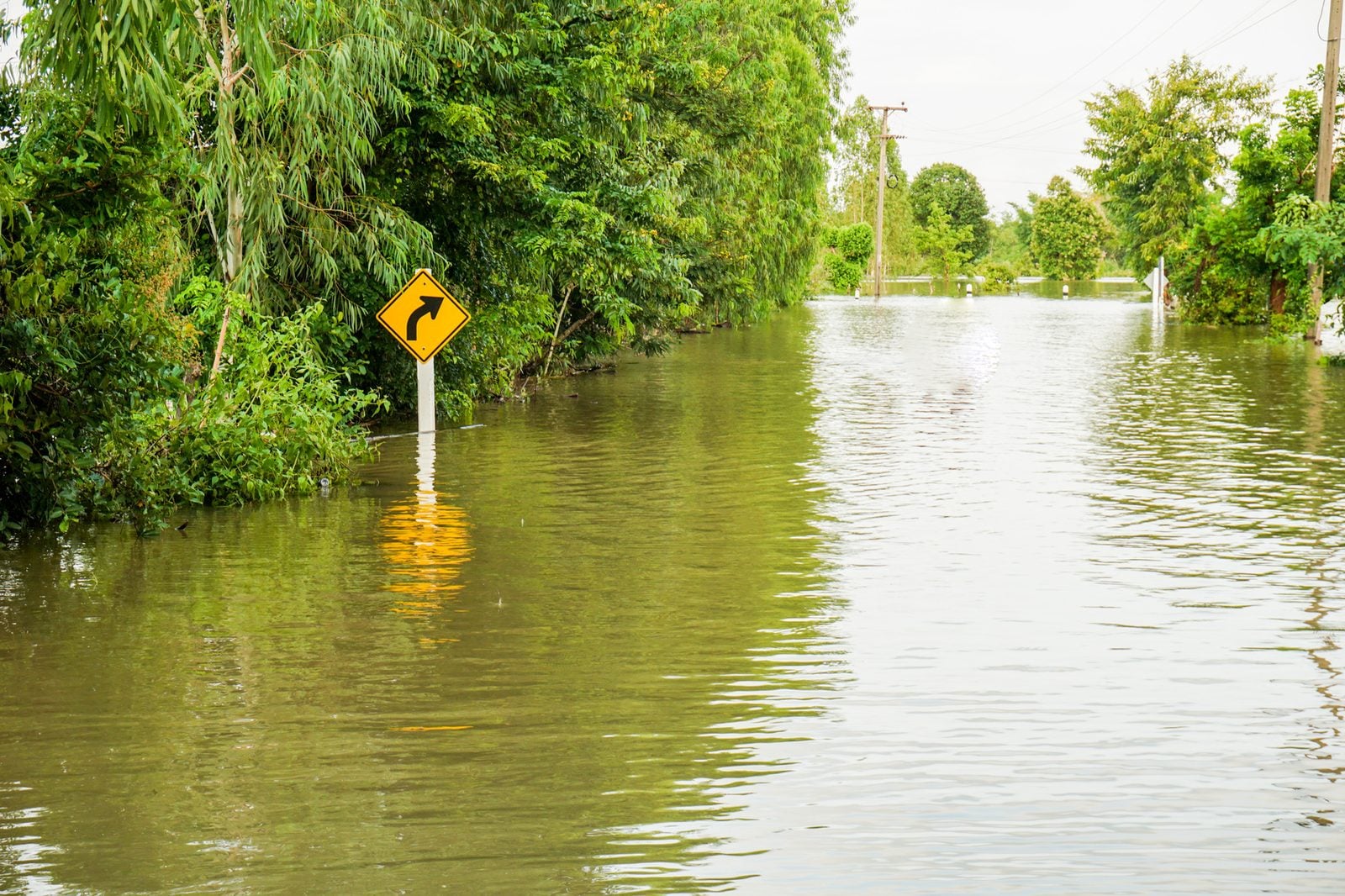
- Storm damage restoration usually means drying, cleaning and repairing water damage that came in through a roof, window or wall after a storm.
- Rising water from outside is treated as flood damage, which a standard Texas homeowners policy generally does not pay for.
- Mold can start growing within a day after a leak, so drying should start soon.
- Photograph the damage before anything is moved, and keep every receipt.
- Ask for a written quote before any work starts.
What to do first
- Stay away from downed power lines, and do not walk into wet rooms if outlets, cords or the breaker panel are wet.
- If it is safe, cover roof openings or broken windows with a tarp or plastic and put buckets under drips.
- Photograph and video the outside damage, each wet room and damaged belongings before cleanup starts.
- Move furniture, rugs and electronics out of wet areas and onto a dry floor.
- Call your insurance company to report the loss, then call to be connected with a local storm damage restoration provider.
What do storm damage restoration services include in San Antonio?
Storm damage restoration services in San Antonio cover the water side of a storm: finding where water got in, pulling it out, drying the structure, and repairing ceilings, walls and floors once everything is dry. Roof and window repairs are often handled by a separate contractor.
- Inspection and moisture mapping to see how far water spread inside walls, ceilings and floors.
- Water extraction from carpet, pad and hard floors.
- Tear-out of soaked drywall, insulation or carpet pad that cannot be dried.
- Drying with air movers and dehumidifiers until readings are back to normal.
- Repairs such as new drywall, paint, trim and flooring.
Read more about emergency water extraction and structural drying. To be connected with a local provider, call (830) 201-1096.
Is storm damage covered by homeowners insurance in Texas?
Often, water that comes in because a storm damaged the roof, a window or a wall is handled under a homeowners policy, while rising water from outside is flood damage and needs a separate flood policy. Coverage always depends on your own policy, so check it and document everything.
The Texas Department of Insurance (TDI) says a homeowners policy won't pay for flooding, earthquakes, termite damage, or wear and tear. That means the cause of the water matters:
- Wind or hail opened the roof and rain came in: many policies treat this sudden damage differently from a slow leak.
- Water rose from the yard or street: this is usually a flood claim.
- An old roof had been leaking for months: gradual leaks and wear are usually not covered.
Only your agent or insurer can tell you what your policy pays for.
How do I document storm damage for an insurance claim?
Document storm damage by taking photos and video of the outside of the house, every wet room and every damaged item before anything is moved or thrown out. Write down the date and time of the storm and when you first saw water inside.
- Photograph the roof from the ground, broken windows, fallen limbs and torn siding.
- Inside, capture ceiling stains, wet walls, standing water and the waterline if there is one.
- Make a list of damaged belongings with rough ages and where they were.
- Save receipts for tarps, buckets, fans and hotel stays.
Ask the restoration provider for copies of moisture readings and photos. These records help show the damage came from the storm.
Need help now? Call to be connected with a local provider in San Antonio who can check availability for your address.
Should I start storm damage cleanup before the adjuster comes?
Usually yes. Most policies expect you to take reasonable steps to prevent more damage, such as tarping the roof and drying wet areas, so it is wise to start once you have photos. Call your insurer first and ask what they need before you throw anything away.
Waiting a week for an adjuster while carpet and drywall stay wet can lead to mold and a bigger repair. TDI advises stopping a leak as soon as possible and warns that mold can start growing within a day after a leak.
Which kinds of storms cause water damage in San Antonio homes?
In San Antonio, water damage after a storm usually comes from heavy rain, wind or hail opening the roof, flash flooding, or a hard freeze that bursts pipes. Each one leaves a different pattern of damage, and each can be a different kind of insurance claim.
- Heavy rain and wind-driven rain pushing water through roof flashing, vents and window frames.
- Hail or wind breaking shingles, skylights or windows, then rain coming in behind it.
- Fallen trees and limbs punching through the roof or an attic.
- Flash floods sending runoff under doors and into garages.
- Winter storms freezing and splitting pipes in attics and outside walls.
See our guides on roof leak water damage and burst pipe water damage.
How long does a Texas insurance company have to handle a storm claim?
Under Texas law as summarized by TDI, an insurer must acknowledge a claim within 15 days, accept or deny it within 15 business days of getting all the information it needs, and pay within five business days after agreeing to pay. This is general guidance, not legal advice.
After a big storm, adjusters may be busy across the whole San Antonio area. Report your claim early, keep a log of every call and email, and send the photos and quotes your insurer asks for.
What if mold shows up after storm water damage?
If mold shows up after storm water damage, fix the moisture first, then have the area checked. In Texas, the Texas Department of Licensing and Regulation (TDLR) regulates mold assessment and remediation businesses, and companies doing that work must be licensed unless an exemption applies.
TDI says mold that develops on an item damaged in a covered loss would be covered, but mold from a flood is not, and most home policies don't include mold cleanup and testing after the damaged item is removed. Ask your insurer early how they handle it, and read more about mold remediation after water damage.
What happens during the visit?
When a local storm damage restoration provider comes to your San Antonio home, the visit starts with an inspection and ends with a written quote before any work begins. You decide what happens next.
- Inspection: they look at where water came in and check ceilings, walls and floors with moisture meters.
- Options explained: they explain what can be dried in place, what should be removed, and what repairs may follow.
- Written quote: you get the scope of work in writing before work starts, which you can share with your adjuster.
- Records: ask for photos and moisture readings for your claim file.
Ask questions at any step. A good provider explains each choice in plain words.
What should San Antonio-area homeowners know about storms and water damage?
From Stone Oak and Helotes to Schertz, Converse and New Braunfels, a few local facts explain why storm water damage is common around San Antonio.
- Flash Flood Alley. The Lower Colorado River Authority says the Texas Hill Country is known as "Flash Flood Alley" because it has one of the greatest risks for flash floods in the United States.
- Frequent floods. The City of San Antonio's 2019 climate vulnerability assessment says that since 1996 Bexar County has had 310 reported flood events.
- Record rain. The National Weather Service reports that July 2002 was San Antonio's wettest July on record, with 16.92 inches at San Antonio International Airport.
- Winter storms count too. During the February 2021 winter storm, San Antonio International Airport stayed below freezing for 4 days 12 hours, and insurers reported 44,232 claims in Bexar County from that storm as of March 31, 2022.
- Flood policies take time. TDI notes that most flood policies have a 30-day waiting period before coverage starts, so buying one when a storm is in the forecast is too late.
See our pages on water damage restoration in Stone Oak and other service areas. To be connected with a local provider, call (830) 201-1096.
Related pages
Questions people ask
Who do I call for storm damage restoration services in San Antonio?
Call (830) 201-1096 to be connected with a local storm damage restoration provider in San Antonio. They can inspect the damage, explain your options and give you a written quote before work starts.
What is the difference between storm damage restoration and flood cleanup?
Storm damage restoration usually deals with water that came in through a damaged roof, window or wall, while flood cleanup deals with water that rose from outside. The cleanup steps are similar, but insurance treats them differently.
Does homeowners insurance cover a roof leak after a hail storm in Texas?
Many policies treat sudden storm damage differently from gradual leaks, so a leak right after hail may be handled differently than an old roof leak. Check your policy, photograph the roof and ceiling, and report it to your insurer.
Does homeowners insurance pay if a tree falls on my house during a storm?
It depends on your policy, so call your insurer to ask. Take photos of the tree, the roof and any water inside before anything is moved, and cover the opening if it is safe.
Is water that came under my door during a storm considered flood damage?
Usually yes. Water that rises from the yard or street and flows into the house is generally treated as flood damage, which a standard Texas homeowners policy won't pay for.
Should I tarp my roof myself after a storm?
Only if you can do it safely from the ground or with help, and never in wind, lightning or on a wet, steep roof. A tarp helps prevent more damage, which most policies expect you to try to do.
How soon should storm damage restoration start?
As soon as it is safe and you have photos. TDI warns that mold can start growing within a day after a leak, so wet drywall, carpet and insulation should be dried quickly.
What should I photograph after storm damage for my insurance claim?
Photograph the roof, windows, siding and fallen limbs outside, then every wet ceiling, wall and floor inside. Add close-ups of damaged belongings and anything with a model or serial number.
Do I have to wait for the insurance adjuster before drying out my house?
No, in most cases you should start drying after you take photos and call your insurer. Ask them before you throw away damaged items, and keep samples if they want them.
Does homeowners insurance cover mold after a storm leak in Texas?
TDI says mold on an item damaged in a covered loss would be covered, but mold from a flood is not, and most home policies don't include mold cleanup after the damaged item is removed. Ask your insurer early.
Do I need a licensed mold company in Texas after storm damage?
For mold assessment and remediation work, Texas requires a TDLR license unless an exemption applies. You can check a license with TDLR's online license search.
Can I buy flood insurance right before a storm hits San Antonio?
You can buy it, but TDI notes that most flood policies have a 30-day waiting period before coverage starts. Buying one when a storm is already in the forecast usually comes too late.
What should I do if power went out and my house got wet during a storm?
Stay out of wet rooms if outlets or the breaker panel are wet, and call an electrician if water reached them. Once it is safe, take photos and start drying.
Can a burst pipe from a winter storm count as storm damage?
It is usually a pipe claim rather than a flood claim. TDI warns that policies might not pay for frozen pipe damage if you didn't take steps to protect your pipes, and flood insurance doesn't pay for burst pipes.
Are storm damage restoration services available in Boerne, Schertz and New Braunfels?
Yes, you can call (830) 201-1096 to be connected with a local provider who works around San Antonio, including Boerne, Schertz, Converse and New Braunfels.
How do I stop storm water damage from happening again?
Keep gutters and downspouts clear, have the roof checked after big hail or wind, seal gaps around windows, and grade the yard so water drains away from the house.
Talk to someone about your water damage problem
Call to be connected with a local provider who can check availability for your address and explain the next step.