Flood Damage Near Me in San Antonio? Who to Call
If you are searching for flood damage near me in San Antonio, the first steps are the same in every neighborhood: get to a safe spot, keep power off in wet areas, photograph the damage, and start drying soon. Then call to be connected with a local provider who works in your part of town.
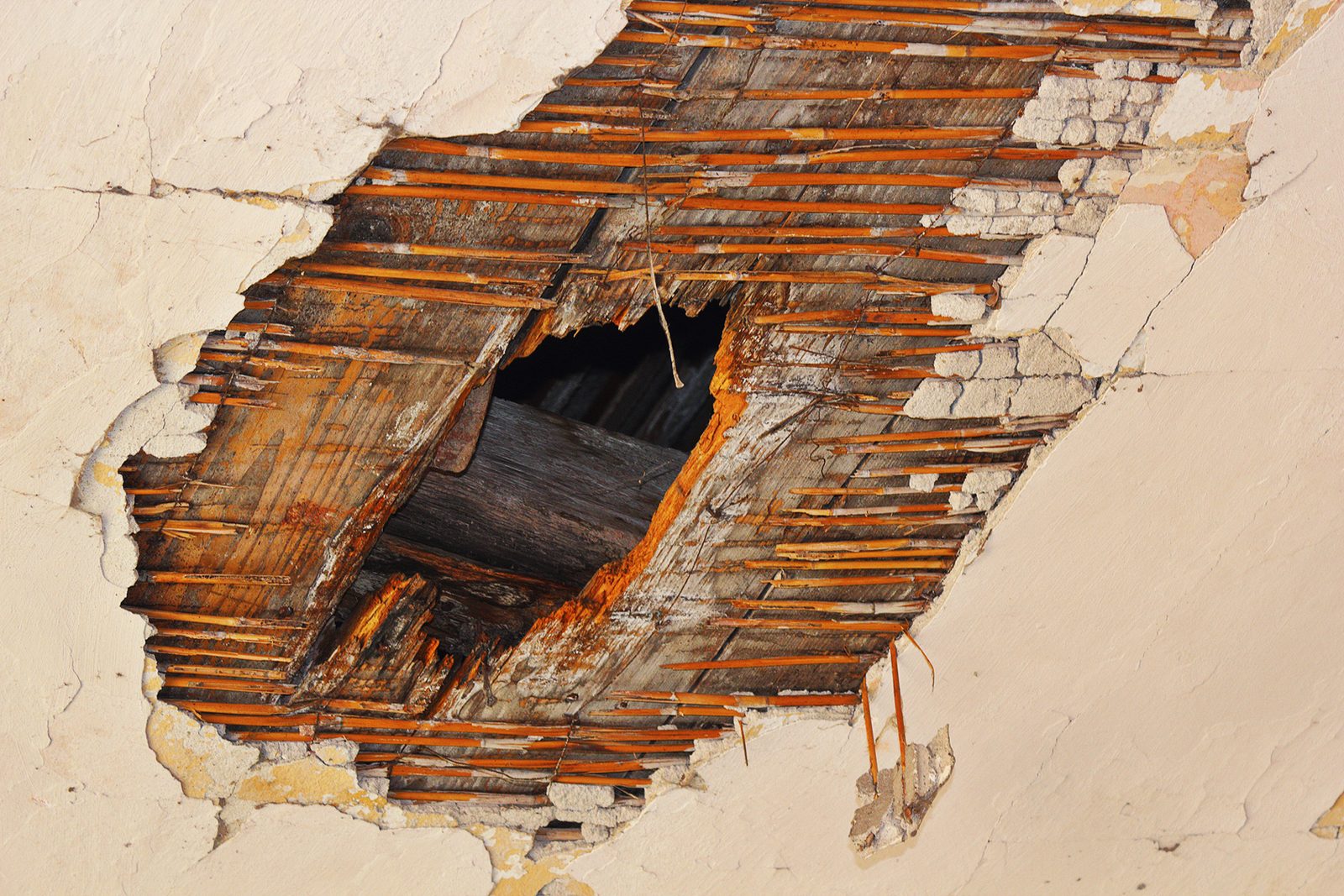
- Floodwater from creeks, streets and storm runoff is dirty water, so treat anything it touched as contaminated.
- Drying soon matters. Wet drywall, carpet pad and insulation can start growing mold in a day or two.
- Texas homeowners policies generally do not pay for flooding; flood coverage is a separate policy.
- Take photos and video of every room before anything is moved or thrown out.
- Ask for a written quote before any work starts.
What to do first
- If water is rising or still coming in, leave the area and do not walk or drive through moving water.
- Do not touch outlets, cords or the breaker panel while standing in water. If the panel is in a wet area, wait for help.
- Once it is safe, photograph and video each room, the waterline on the walls and damaged belongings.
- Move dry valuables, papers and medicines to a higher, dry spot.
- Call to be connected with a local flood cleanup provider and call your insurance company to start a claim.
Who do I call for flood damage near me in San Antonio?
For flood damage near you in San Antonio, call a local water damage and flood cleanup provider who can come out, find how far the water spread, and explain your options. You can call (830) 201-1096 to be connected with a provider who works in your area, from inside Loop 410 out to the suburbs.
It also helps to make two other calls early:
- Your insurance company or agent. Ask how to report the loss and whether they want photos before cleanup starts.
- An electrician if water reached outlets, the breaker panel or an outdoor AC unit.
Searching "near me" matters with floods because the job starts with pulling water out and getting air movers running. A provider who already works in your side of town is simply easier to schedule.
Is flood damage different from regular water damage?
Yes. Flood damage comes from water that enters from outside, like rising creeks, street runoff or a yard that drains toward the house. That water carries soil, sewage and chemicals, so it is treated as the dirtiest category of water. A burst pipe inside the house usually starts as clean water.
This changes the cleanup:
- Porous items soaked by floodwater, such as carpet pad, insulation and the lower part of drywall, are usually removed rather than dried.
- Hard surfaces are cleaned and disinfected before drying.
- Insurance treats the two differently, so the source of the water should be written down and photographed.
Why do so many San Antonio neighborhoods get flood damage?
San Antonio sits where the Hill Country meets the flat plains to the south and east, and heavy rain runs off fast. Creeks and low streets can rise quickly, and water can reach homes that have never flooded before.
Flood damage near you in San Antonio usually comes from one of these:
- Creek and drainage overflow in neighborhoods close to creeks and channels.
- Street and yard runoff that pushes water under doors and into garages, even far from a creek.
- Sloped lots in hilly areas like Stone Oak, Helotes and Boerne, where water from uphill drains toward the house.
- Overwhelmed sewer lines during big storms, which can push water back up through floor drains.
Need help now? Call to be connected with a local provider in San Antonio who can check availability for your address.
What should I do in the first few hours after a flood?
In the first few hours after a flood in San Antonio, focus on safety, photos and getting water out. Stay out of standing water if the power is still on, document everything, and call to be connected with a local provider so drying can start.
- Open windows if the weather allows, but do not run your central HVAC if water reached the ducts or the air handler.
- Lift furniture off wet carpet and put foil or blocks under the legs.
- Do not use a household vacuum on water.
- Keep children and pets out of rooms with floodwater.
- Save receipts for anything you buy for cleanup.
What does flood damage cleanup usually include?
Flood damage cleanup in San Antonio usually includes water extraction, removal of soaked materials, cleaning, and drying with air movers and dehumidifiers until moisture readings are back to normal. The exact plan depends on how high the water rose and how long it sat.
- Extraction: pumps and vacuums pull standing water from floors and carpet.
- Tear-out: wet drywall is often cut above the waterline, and wet pad and insulation come out.
- Cleaning: floors, studs and slabs are cleaned and treated.
- Drying: equipment runs while moisture is checked in walls and floors.
- Rebuild: drywall, flooring and trim are replaced once everything is dry.
Read more on emergency water extraction and structural drying.
Does insurance pay for flood damage in San Antonio?
A standard Texas homeowners policy generally does not pay for flood damage; flooding is covered only by a separate flood policy. Water from a burst pipe or a roof leak is a different kind of claim, so check your own policy and document everything.
Steps that help with any claim:
- Report the loss as soon as you can.
- Take photos before, during and after cleanup.
- Keep a list of damaged items, and keep samples of flooring or carpet if your adjuster asks.
- Ask for written quotes and keep copies of every invoice.
Your agent or insurer is the only one who can tell you what your policy pays for.
What happens during the visit?
When a local flood cleanup provider comes to your San Antonio home, the visit starts with an inspection and ends with a written quote before any work begins. Nothing should start until you understand the plan.
- Inspection: they walk each room, find where the water came in, and check walls, floors and cabinets with moisture meters.
- Options explained: they explain what can be dried in place, what should be removed, and why.
- Written quote: you get the scope of work in writing before work starts.
- Photos and notes: ask for copies of their moisture readings and photos for your insurance file.
Ask questions at any step. A good provider will explain each choice in plain words.
What should San Antonio-area residents know about local flood risk?
Whether you live in Alamo Heights, Leon Valley, Converse, Schertz, Universal City or New Braunfels, a few local facts explain why flood damage near you is a real risk.
- Flash Flood Alley. The Lower Colorado River Authority says the Texas Hill Country is known as "Flash Flood Alley" because it has one of the greatest risks for flash floods in the United States.
- Frequent floods. The City of San Antonio's 2019 climate vulnerability assessment says Bexar County had 310 reported flood events since 1996.
- Record rain. The National Weather Service reports that July 2002 was San Antonio's wettest July on record, with 16.92 inches at San Antonio International Airport, and Canyon Dam overtopped for the first time, prompting evacuations along the Guadalupe River.
- Flood coverage. The Texas Department of Insurance says a homeowners policy won't pay for flooding and that flood coverage requires a separate policy. TDI also notes that most flood policies have a 30-day waiting period before coverage starts.
- Mold after floods. TDI says mold from a flood is not covered by most home policies, and the Texas Department of Licensing and Regulation (TDLR) regulates mold assessment and remediation businesses.
See our pages for water damage restoration in New Braunfels and other service areas. To be connected with a local provider, call (830) 201-1096.
Related pages
Questions people ask
Where can I find flood damage near me in San Antonio, TX?
Call (830) 201-1096 to be connected with a local flood cleanup provider who works in your part of San Antonio. They can inspect the damage, explain your options and give you a written quote before work starts.
Is it safe to walk through floodwater in my house?
Not until the power to wet areas is off. Floodwater can hide sharp objects and carry sewage, so wear boots and gloves and stay out if outlets or the breaker panel are under water.
Can floodwater make my house unsafe to live in?
Sometimes. If water reached outlets, the electrical panel, the gas water heater or the HVAC system, have those checked before you stay in the house.
How do I know if floodwater got inside my walls?
Look for a waterline, peeling paint, swollen baseboards or soft drywall. A cleanup provider uses moisture meters to see how far the water wicked up inside the wall.
Does flood damage near the garage need to be cleaned up too?
Yes. Garages often take the first water in San Antonio storms, and wet drywall, stored boxes and the door frame can hold moisture and spread odor into the house.
What is the difference between flood cleanup and water damage repair?
Flood cleanup removes water, mud and soaked materials and dries the house. Repair is the rebuild that follows, like new drywall, flooring and trim, once everything is dry.
How soon should flood cleanup start in San Antonio?
As soon as it is safe. Wet materials in San Antonio's warm, humid weather can start growing mold in a day or two, so drying should not wait for the weekend.
Should I pull up wet carpet after a flood myself?
You can, but take photos first and wear gloves. Carpet pad soaked by floodwater usually has to go, while the carpet itself is often discarded too because floodwater is contaminated.
Can a flooded kitchen cabinet be saved?
Sometimes. Solid wood cabinets that were wet only briefly can be cleaned and dried, but particleboard bases that swelled usually need to be replaced.
Does homeowners insurance pay for flood damage in Texas?
Generally no. The Texas Department of Insurance says a homeowners policy won't pay for flooding, and flood coverage requires a separate policy, so check what you have and call your agent.
How long do I have to wait for a new flood policy to start in Texas?
Most flood policies have a 30-day waiting period before coverage starts, according to TDI. Some exceptions exist, such as when buying a new home.
Should I file a claim before or after flood cleanup starts?
Report it as early as you can, then start drying. Take photos first, keep samples if asked, and save every receipt and written quote for your adjuster.
Will mold grow after a flood in San Antonio?
It can, especially if materials stay wet. Fast drying lowers the chance, and TDLR licenses the businesses that do mold assessment and remediation in Texas.
Is flood damage covered if it came from a street drain backing up?
It depends on your policy. Water from outside flooding and water from a sewer backup are often treated differently, so ask your insurer and document where the water entered.
Do flood cleanup providers work in Stone Oak, Helotes and Boerne?
Yes. Call (830) 201-1096 to be connected with a local provider who covers the north side and Hill Country areas, including Stone Oak, Helotes and Boerne.
Can I get flood damage help in Schertz, Converse or Universal City?
Yes. These northeast suburbs are part of the area we connect callers in, so call (830) 201-1096 and say where the home is located.
What should I throw away after a flood in my house?
Throw out food, medicine and cosmetics that touched floodwater, plus soaked mattresses, pillows and stuffed toys. Photograph items before you throw them away.
How do I keep flood damage from happening again in San Antonio?
Grade soil away from the foundation, keep gutters and downspouts clear, and check if your home is near a creek or low area. If you live in a flood-prone spot, ask your agent about flood insurance.
Talk to someone about your water damage problem
Call to be connected with a local provider who can check availability for your address and explain the next step.