Does Renters Insurance Cover Flood Damage in San Antonio?
Does renters insurance cover flood damage? In most cases, no: a standard renters policy in San Antonio is written to exclude flooding, and flood coverage comes from a separate policy. Water that comes from inside the building, like a burst pipe, is a different story. Here is how to tell the difference and what to do next.
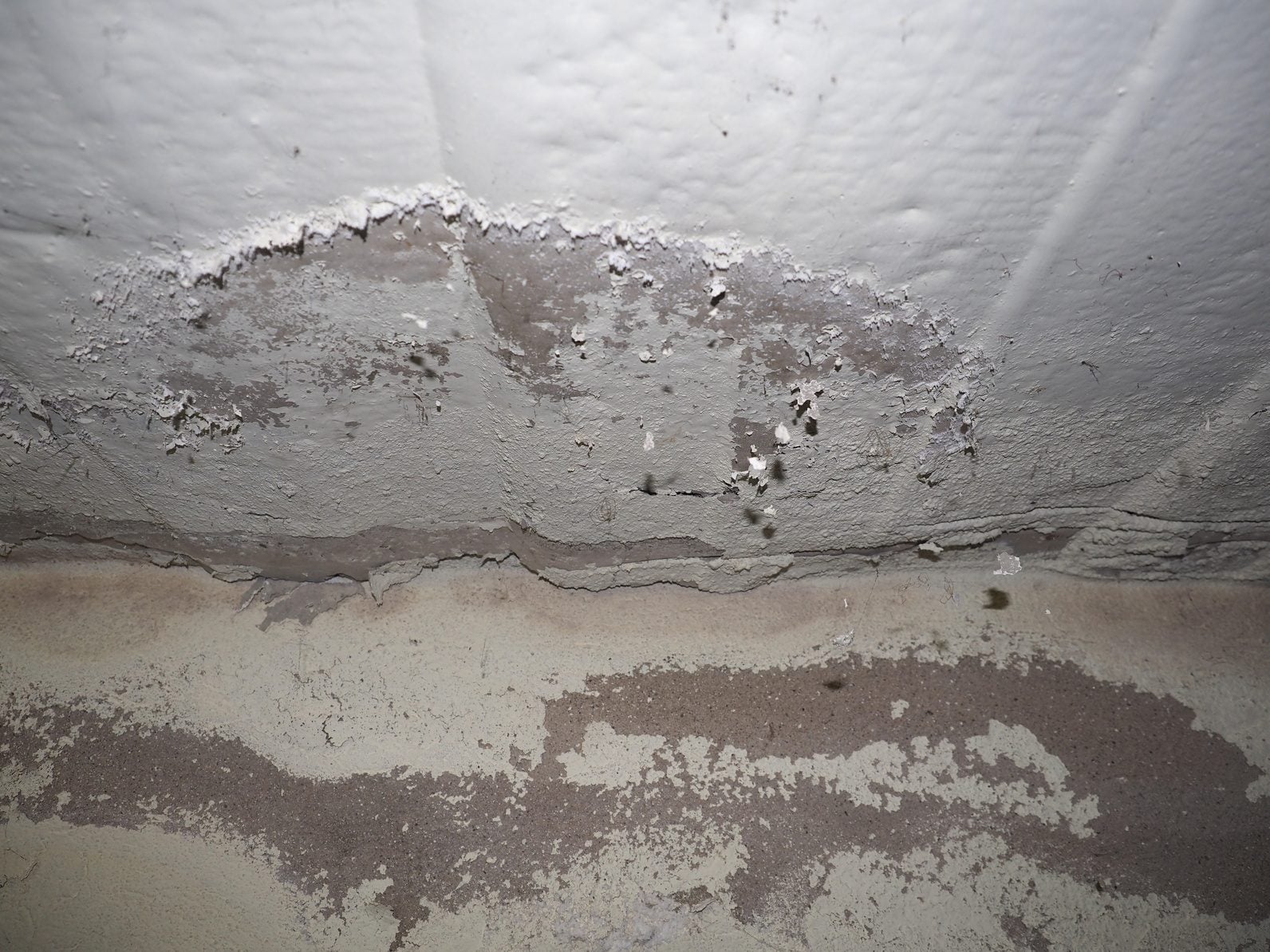
- Standard renters policies usually exclude flood damage, meaning water that rises from outside and enters the home. Flood coverage for your belongings needs a separate flood policy.
- The Texas Department of Insurance (TDI) says most homeowner and renters policies cover sudden and accidental water damage, such as a burst pipe, toilet overflow or broken washer hose.
- TDI notes that most flood policies have a 30-day waiting period before coverage starts, so buying one as a storm approaches is usually too late.
- Your landlord's coverage is for the building, not your furniture, clothes or electronics.
- TDI warns that mold can start growing within a day after a leak, so tell your landlord and start documenting right away.
Does renters insurance cover flood damage at all?
Renters insurance usually does not cover flood damage in San Antonio. A standard renters policy, like a standard homeowners policy, leaves out flooding from rising water, overflowing creeks and storm runoff that enters from outside. TDI says flood coverage requires a separate policy, and that is true for renters as well as owners.
That surprises a lot of tenants, because the word "water" appears all over a renters policy. The key is where the water came from. Insurance companies usually split water losses into two groups: water that starts inside the building, and water that comes in from the outside ground or surface. The first group is often covered. The second group is flood, and it is usually excluded.
Read the coverage and exclusions parts of your own policy, or ask your agent to point to the flood exclusion. Wording differs between companies, and only your policy can answer the question for your unit.
What is the difference between flood damage and water damage on a renters policy?
On a renters policy, flood damage usually means water from outside that rises and enters your home, while water damage usually means water that escapes suddenly from something inside, like a pipe or appliance. That one difference often decides whether a San Antonio renter's claim gets paid.
- Often treated as flood (usually excluded): a creek or drainage channel overflows, street water pours under the door, or heavy rain floods a ground-floor apartment from outside.
- Often treated as sudden water damage (often covered): a pipe bursts, a water heater tank splits, a washer hose breaks, or a toilet overflows in the unit above you.
- Gray areas: rain that blows in through a damaged roof or window, or water that backs up through a drain. Many policies treat these under separate rules or optional add-ons.
TDI says most homeowner and renters policies cover sudden and accidental water damage but usually won't cover gradual leaks or seepage. So a slow drip under the sink that went unnoticed for months may not be covered either.
What should I do right now if my rental flooded?
If your San Antonio rental just flooded, get to safety first, then tell your landlord in writing, document everything and call your renters insurance company to report the loss. Do these steps in that order and keep notes of every call.
- Stay safe. Do not walk through standing water if outlets, cords or appliances are under it. Leave if the power cannot be shut off safely.
- Tell your landlord or property manager. Text or email so there is a written record with the date and time. The building, walls and flooring are their responsibility.
- Take photos and video. Shoot the water line on the walls, every room and every damaged item before anything is moved.
- Report it to your insurer. Even if you think it is flood, report it. Let the company decide coverage instead of guessing.
- Protect what you can. Move dry items to a higher, dry spot. Keep receipts for anything you buy to protect your belongings.
Drying the structure is usually the landlord's job. If you are the one arranging help, call to be connected with a local water damage provider who can look at the unit and explain options.
Need help now? Call to be connected with a local provider in San Antonio who can check availability for your address.
Will my landlord's insurance pay for my belongings after a flood?
Usually no. A landlord's policy in San Antonio is written to cover the building and the landlord's own property, not a tenant's furniture, clothes, electronics or car. If your belongings were damaged, your own renters or flood policy is where coverage would come from.
The exception can be a lease or local situation where the landlord was at fault for the damage, such as ignoring a reported leak. That becomes a question of responsibility, not insurance, and it is worth asking a legal aid office or attorney rather than assuming. For the building itself, your landlord decides who dries and repairs it, but you should still report the damage quickly and in writing.
Can renters buy flood insurance for their belongings?
Yes, in most cases renters can buy a separate flood policy that covers only their contents. This kind of policy pays for your belongings after a flood, not the building, which stays with the landlord. Ask your insurance agent whether contents-only flood coverage is available for your San Antonio address.
Timing matters. TDI notes that most flood policies have a 30-day waiting period before coverage starts, so do not wait until a storm is in the forecast. Exceptions exist, but you should plan on that wait.
When you compare quotes, ask what counts as a covered item, whether basement or ground-floor items are limited, and how the policy values used belongings. Write down the answers so you can compare them side by side.
Does renters insurance cover water damage from a burst pipe or the unit above me?
Often, yes. Sudden water from inside the building, like a burst pipe or an overflowing toilet upstairs, is the kind of loss TDI says most renters policies cover. Your policy pays for your damaged belongings, and the landlord handles the walls, ceiling and floors.
There are limits. TDI warns that home and renters policies might not pay for damage caused by frozen pipes if you didn't take steps to protect your pipes, and that flood insurance does not pay for burst-pipe damage. In a freeze, TDI says to turn off the water at the shutoff valve if pipes freeze. In an apartment, ask your manager where the shutoff is before cold weather arrives.
How does mold fit into a flood claim for renters?
Mold after a flood is usually not covered by a renters policy in Texas. TDI says mold from a flood is not covered, though mold that grows on an item damaged in a covered loss would be. That makes fast reporting and fast drying important for San Antonio renters.
TDI warns that mold can start growing within a day after a leak. Tell your landlord right away if you see or smell mold, and keep a written record. In Texas, the Texas Department of Licensing and Regulation (TDLR) regulates mold assessment and remediation businesses, and you can look up a mold license with TDLR's online license search. Do not try to diagnose health effects yourself; if you have concerns, talk with a medical professional.
What happens during the visit from a water damage provider?
When a local water damage provider comes out, they inspect the unit, find where the water came from and how far it spread, and explain your options before any work starts. You or your landlord get a written quote first.
- Inspection: they look for wet drywall, flooring and baseboards and usually take moisture readings.
- Explanation: they walk through what can likely be dried and what may need to come out, and whether the water looks like clean, gray or floodwater.
- Written quote: you get the scope in writing before work begins, which also helps with any claim.
In a rental, involve your landlord before work starts so everyone agrees who is paying and who signs. Call to be connected with a local provider who can walk through the damage with you.
Why flood questions matter for San Antonio renters
Flooding is not rare in this part of Texas, which is why renters in San Antonio and nearby cities like Leon Valley, Universal City and Converse should know what their policy says before the next storm.
- Flash flood risk: the Lower Colorado River Authority says the Texas Hill Country is known as "Flash Flood Alley" because it has one of the greatest risks for flash floods in the United States.
- A long local record: the City of San Antonio's 2019 climate vulnerability assessment says Bexar County has had 310 reported flood events since 1996.
- Record rain: the National Weather Service reports July 2002 was San Antonio's wettest July on record, with 16.92 inches at San Antonio International Airport.
- Freezes too: during the February 2021 storm, San Antonio International Airport stayed below freezing for 4 days 12 hours, and the NWS summary lists burst water pipes among the impacts. That is water damage, not flood, and it is handled differently.
Renters in Stone Oak, Schertz, New Braunfels and the rest of the area face the same split between flood and sudden water damage. Check your policy now, and if water is already inside, call to be connected with a local provider.
Related pages
Questions people ask
Does renters insurance cover flood damage in San Antonio?
Usually not. Standard renters policies exclude flooding from outside water, so you need a separate flood policy to cover your belongings. Check your own policy's exclusions to be sure.
My apartment flooded from heavy rain. Will my renters insurance pay for my stuff?
Probably not if the water rose from outside and came in at ground level, because that is usually treated as flood. Report it anyway and let the insurer review the cause.
Does renters insurance cover water damage from a burst pipe?
Often, yes. TDI says most renters policies cover sudden and accidental water damage like a burst pipe, though frozen-pipe damage may not be paid if you didn't take steps to protect the pipes.
What is the difference between flood and water damage for renters insurance?
Flood is usually outside water that rises and enters the home, while water damage is usually water that escapes suddenly from inside, like a pipe. The first is usually excluded and the second is often covered.
Is my landlord's insurance supposed to pay for my damaged furniture?
Usually no. A landlord's policy covers the building, not a tenant's belongings. Your own renters or flood policy is what would cover your furniture.
Can I buy flood insurance as a renter?
Yes, in most cases. Renters can usually buy a contents-only flood policy that covers belongings but not the building. Ask an agent about options for your address.
How long does it take for flood insurance to start in Texas?
TDI notes most flood policies have a 30-day waiting period before coverage starts. Some exceptions exist, so ask your agent, but do not wait for a storm to buy coverage.
Does renters insurance cover water that came from the apartment above me?
Often, yes, if it was sudden, like an overflowing toilet or a burst supply line. Your policy covers your belongings, and the building repairs are the landlord's responsibility.
Does renters insurance cover mold after a flood?
Usually not. TDI says mold from a flood is not covered, though mold on an item damaged in a covered loss would be. Report water quickly to limit mold.
Who is responsible for drying out my rental after a flood?
Usually the landlord or property manager, because the walls, floors and ceilings are their property. Tell them in writing right away so drying can start.
Should I call my renters insurance even if I think it was a flood?
Yes. Report the loss and let the insurer decide what is covered, because some parts of the damage may fall under a different part of the policy.
What should I take pictures of after my apartment floods?
Photograph every room, the water line on the walls and every damaged item before moving anything. Add a short video and save receipts for big items.
Can I throw away wet things before the insurance adjuster comes?
Wait if you can, and photograph everything first. If an item is a health hazard and must go, keep pictures and a list of what you threw out.
Does renters insurance cover a hotel stay if my apartment floods?
It depends on the cause. Many renters policies include extra living expenses when the loss is covered, but if the damage is flood and flood is excluded, that help may not apply.
Is sewer or drain backup the same as flood on a renters policy?
Not always. Many policies treat drain or sewer backup separately, and some only cover it with an add-on. Read your policy or ask your agent.
What if my landlord won't fix water damage in my San Antonio apartment?
Keep making requests in writing and save copies. For questions about your rights as a tenant, contact a legal aid office or an attorney.
How fast can mold grow after water gets into my apartment?
TDI warns mold can start growing within a day after a leak. That is why quick reporting and drying matter.
Do I need a licensed mold company in Texas?
Mold assessment and remediation businesses are regulated by TDLR, and you can check a license with TDLR's online license search. Ask any mold company for its license number.
How long does a Texas insurance company have to respond to my claim?
TDI summarizes Texas law this way: insurers must acknowledge a claim within 15 days and accept or deny it within 15 business days of getting all the information they need. This is general guidance, not legal advice.
Who can I call to look at flood or water damage in my San Antonio rental?
Call the number on this page to be connected with a local water damage provider who can inspect the unit and explain options. Involve your landlord before any work begins.
Talk to someone about your water damage problem
Call to be connected with a local provider who can check availability for your address and explain the next step.