Water Damage Restoration Cost in San Antonio
Water damage restoration cost in San Antonio comes down to what kind of water got in, how far it spread, which materials soaked it up and how long drying takes. Nobody can give a fair number until the moisture is measured. Call to be connected with a local provider who can inspect and give you a written quote.
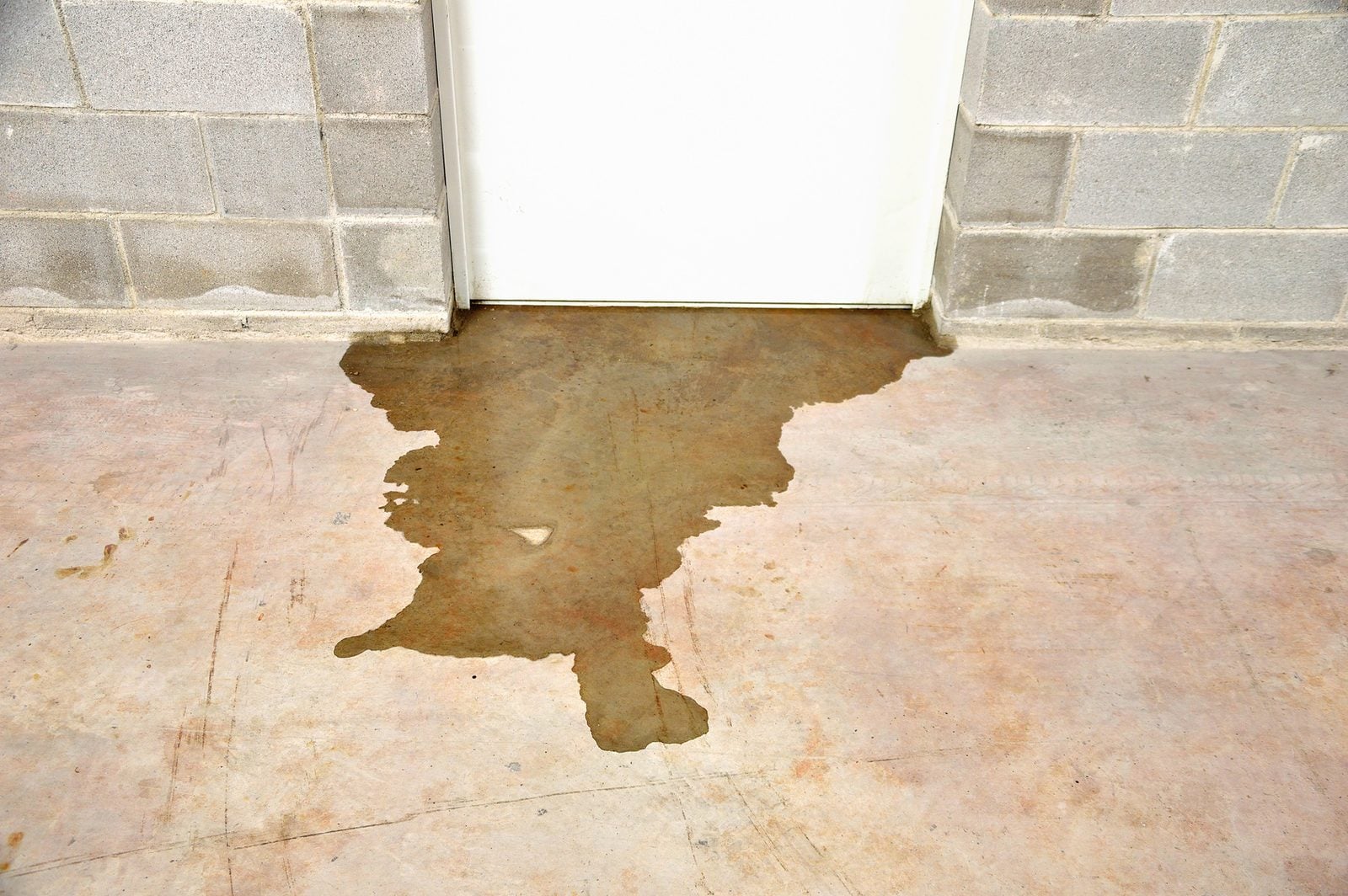
- Restoration cost is driven by the water category, the size of the wet area, the materials involved and the drying time, not by a flat rate.
- Clean water from a supply line usually takes less work than gray water from an appliance or black water from sewage or floodwater.
- The Texas Department of Insurance (TDI) warns that mold can start growing within a day after a leak, so waiting can make the job bigger.
- TDI says most homeowner policies cover sudden and accidental water damage but usually not gradual leaks, seepage or flooding.
- Compare quotes line by line after an inspection, and ask each provider how they measured the moisture.
What affects water damage restoration cost in San Antonio?
Water damage restoration cost in San Antonio depends on four main things: the type of water, how much of the house got wet, what the wet materials are, and how long it takes to dry them. A small, clean leak caught early is a much smaller job than a flooded room that sat for days.
Restoration usually happens in two parts. The first part is mitigation: stopping the water, pulling it out, removing what cannot be saved and drying the structure. The second part is the rebuild: new drywall, flooring, paint and trim. Some providers quote both together and some quote them separately, so make sure you know which one you are looking at.
Other things that move the number include:
- How fast the water was stopped and drying started.
- Whether water reached wall cavities, cabinets or the space under flooring.
- Whether contents such as furniture and boxes need to be moved, cleaned or packed out.
- Whether mold has already started, which adds containment and cleaning steps.
None of this can be judged over the phone. A provider needs to take moisture readings before giving a written quote.
How does the type of water change the cost of water damage cleanup?
The dirtier the water, the more the cleanup usually involves. Restoration work sorts water into three plain categories, and each one changes what can be saved and how much cleaning is needed.
- Clean water: a broken supply line, a burst pipe or an overflowing sink. Many materials can often be dried in place if the work starts quickly.
- Gray water: water from a washing machine, dishwasher or a toilet overflow with no waste. It carries soaps and some contaminants, so more porous material may need to come out.
- Black water: sewage backups and outside floodwater. Porous materials it touches, such as carpet pad and the lower part of drywall, are usually removed, and the area needs careful cleaning.
Clean water does not stay clean forever. If it sits, it can pick up dirt and bacteria from the materials it soaks into, which can push a simple job into a harder category. For sewage problems, see sewage backup cleanup.
Why do the size of the wet area and the materials matter so much?
More wet square footage means more equipment, more labor and more material to remove or replace, so the wet area is one of the biggest parts of any water damage repair estimate. The materials decide whether things can be dried or have to come out.
Here is how common materials tend to behave:
- Drywall: can sometimes be dried in place after a short clean-water leak. If it is swollen, crumbling or soaked with gray or black water, the lower section is often cut out.
- Carpet and pad: the pad soaks up water like a sponge and is often replaced, while the carpet itself may be saved after clean-water events.
- Hardwood and laminate: wood can cup and swell, and laminate often cannot be dried once water gets under it.
- Cabinets: water trapped under base cabinets is easy to miss and may require removing toe kicks or panels to dry.
Water travels under flooring and up into walls, so the true wet area is often larger than the puddle. If you are weighing whether to dry or replace, our guide on dry and restore vs. replace walks through the tradeoffs.
Need help now? Call to be connected with a local provider in San Antonio who can check availability for your address.
How do drying time and equipment show up on a restoration quote?
Drying equipment is often listed per piece and per day, so the longer the structure takes to dry, the higher that part of the quote. Air movers, dehumidifiers and sometimes specialty floor or wall drying systems are set up based on the size of the wet area and the moisture readings.
Drying time depends on the materials, how deep the water went and the humidity inside the home. A provider should check moisture levels during the job and remove equipment once materials reach a dry target, rather than leaving it running on a fixed schedule. Ask how often readings will be taken and how you will see them.
Learn more in how drying equipment works and on the structural drying and dehumidification page.
Why can a water damage repair estimate change after work starts?
An estimate can change when opening a wall or lifting flooring shows damage that was hidden at the first visit. That is normal in water damage work, but it should be explained to you and put in writing before extra work goes ahead.
Common reasons a scope grows:
- Water traveled farther under flooring or behind cabinets than readings first showed.
- Mold is found inside a wall cavity once drywall comes off.
- Materials that seemed dry turn out to be holding moisture deeper down.
Ask up front how changes will be handled. A clear provider will tell you they will stop, show you what they found with photos and readings, and send a written change before going further. If you suspect water has been sitting for a while, our signs of hidden water damage guide can help you spot it early.
How do I compare water damage restoration quotes from different providers?
Compare quotes by what each one includes, not just the bottom line. Two quotes can look very different simply because one covers only drying while the other also includes rebuild work, contents handling or mold steps.
Put the quotes side by side and check:
- Scope: Is it mitigation only, rebuild only, or both?
- Wet area: Did each provider measure the same rooms and square footage?
- Removal: What materials will be cut out or thrown away, and why?
- Equipment: How many pieces, and how will they decide when drying is done?
- Cleaning: What cleaning or antimicrobial steps are planned for gray or black water?
- Documentation: Will you get photos, moisture logs and a final dry report for your records or insurer?
- Changes: How are added costs approved?
A very low quote that skips moisture readings can cost more later if hidden water leads to mold. If mold work is needed, the Texas Department of Licensing and Regulation (TDLR) regulates mold assessment and remediation businesses, and you can check a license with TDLR's license search.
How can I keep water damage restoration costs down?
The biggest way to keep water damage restoration cost down is to stop the water and get drying started quickly. TDI warns that mold can start growing within a day after a leak, and mold adds steps to any job.
- Shut off the water at the main valve if a pipe or fixture is leaking.
- Turn off power to wet areas only if you can reach the breaker safely without standing in water.
- Take photos and video of everything before anything is moved or thrown away.
- Do not paint over stains or close up walls until moisture readings say the area is dry.
Skipping steps to save money often backfires. Trapped moisture can lead to warped floors, odors and mold later, which can make the eventual repair bigger. For the first steps after a leak, see the first 24 hours after water damage.
Will homeowners insurance help with water damage restoration costs?
It may, depending on the cause and your policy. TDI says most homeowner and renters policies cover sudden and accidental water damage, such as a burst pipe, toilet overflow or broken washer hose, but usually won't cover gradual leaks or seepage.
TDI also says a homeowners policy won't pay for flooding, and flood coverage requires a separate policy. TDI notes that hidden water damage usually must be reported within days after you first see it, so check your policy and report early. Only your insurer can decide coverage.
Restoration records help either way. Ask your provider for photos, moisture logs and an itemized scope you can share with your adjuster. For more on the process, read water damage insurance claim basics.
What happens during the visit?
The visit starts with an inspection. The provider looks at where the water came from, uses moisture meters to map how far it spread, and checks floors, walls, cabinets and ceilings near the source.
Next, they explain your options in plain terms: what can be dried in place, what likely needs to be removed, and what the rebuild may involve. You should get a written quote before any work begins, along with a clear note on what could change the scope. Nothing is decided until you approve it.
Why San Antonio water damage jobs vary so much
San Antonio sees both sudden indoor leaks and fast outside water, and each one leads to a different kind of restoration job.
- Flash flood risk: the Lower Colorado River Authority says the Texas Hill Country is known as "Flash Flood Alley" because it has one of the greatest risks for flash floods in the United States. Floodwater is treated as black water, which usually means more removal and cleaning.
- A long flood history: the City of San Antonio's 2019 climate vulnerability assessment says Bexar County had 310 reported flood events since 1996.
- Rare but serious freezes: NWS normals show San Antonio averages 14 days a year with lows at or below 32°F. During the February 2021 winter storm, San Antonio International Airport stayed below freezing for 4 days 12 hours.
- A wave of claims: insurers reported 44,232 claims in Bexar County, 4,307 in Comal County and 2,955 in Guadalupe County from that storm, as of March 31, 2022.
A burst pipe in a Stone Oak or Alamo Heights home is usually clean water caught inside, while a storm in New Braunfels or Schertz can push outside water in at floor level. Those are very different scopes, which is why quotes across Boerne, Helotes, Converse and the rest of the area can differ so much. See all service areas.
Related pages
Questions people ask
What is the average water damage restoration cost in San Antonio?
There is no reliable average for your home, because the cost depends on the water type, wet area, materials and drying time. Get a written quote after an inspection with moisture readings.
Why do water damage restoration quotes vary so much between companies?
Quotes often cover different scopes. One may include only drying while another adds removal, rebuild or contents work, so compare them line by line.
Is water damage restoration cheaper if I call right away?
Often, yes. Starting fast can keep clean water from turning dirtier and limit how far it spreads, and TDI warns mold can start growing within a day after a leak.
Does sewage or floodwater cost more to clean up than a burst pipe?
Usually. Sewage and floodwater are treated as black water, so porous materials they touch are often removed and the area needs more careful cleaning.
Is it more expensive to restore water-damaged hardwood floors than carpet?
It can be. Hardwood may cup or swell and need specialty drying, while carpet can sometimes be saved after clean water even when the pad is replaced.
Does cutting out wet drywall add a lot to my restoration bill?
It adds removal now and rebuild later, but it can prevent bigger problems. Drywall soaked with dirty water or holding moisture often has to come out.
Am I charged for every day the drying fans and dehumidifiers run?
Often, yes. Many quotes list equipment per piece per day, so ask how moisture will be checked and when equipment will be removed.
What is the difference between water mitigation and water damage repair costs?
Mitigation is stopping, removing and drying the water. Repair, or rebuild, is putting the room back together, and the two are often quoted separately.
Can I do some of the water damage cleanup myself to save money?
You can safely stop the water, move belongings and take photos. Leave hidden moisture, sewage and anything near electrical hazards to a provider with the right equipment.
Does mold make water damage restoration more expensive in Texas?
Usually, because mold adds containment and cleaning steps. TDLR regulates mold assessment and remediation businesses in Texas, so ask who will handle that part.
Why did my water damage repair estimate go up after the work started?
Opening walls or floors can show hidden water or mold. The provider should stop, show you photos and readings, and get your written approval before extra work.
What should a written water damage restoration estimate include?
It should list the wet area, what will be removed, drying equipment, cleaning steps and documentation. It should also say whether rebuild work is included.
How many water damage restoration quotes should I get?
Getting two or three gives you a fair comparison. Make sure each provider measured the same areas so you are comparing similar scopes.
How do I know if a water damage restoration quote is fair?
A fair quote explains each line and is based on moisture readings and photos. Be careful with any quote that skips measurements or removal of soaked pad.
Will homeowners insurance pay for water damage restoration in San Antonio?
It may if the damage was sudden and accidental. TDI says most policies usually won't cover gradual leaks or flooding, and only your insurer can decide.
Does homeowners insurance cover water damage restoration after a flood in Texas?
Usually not. TDI says a homeowners policy won't pay for flooding, and flood coverage requires a separate policy.
Who do I call for a water damage restoration quote in San Antonio?
Call the number on this page to be connected with a local provider. They can inspect, explain your options and give you a written quote before work starts.
Talk to someone about your water damage problem
Call to be connected with a local provider who can check availability for your address and explain the next step.